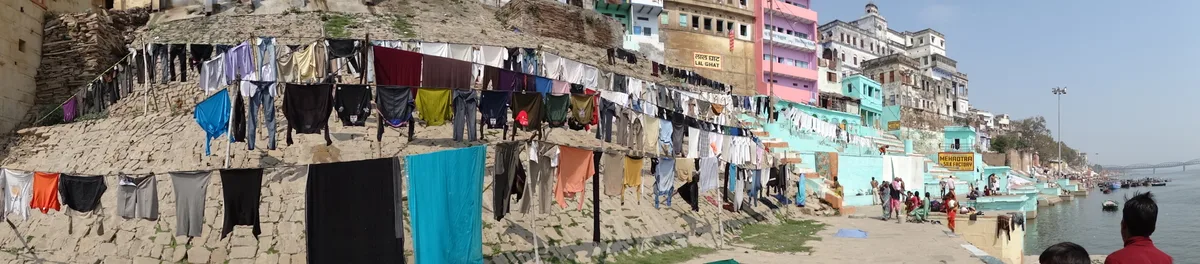
Kashi Ghats
The 84 sacred stairways of the River Ganga
The ghats of Varanasi are the defining image of the city — stone stairways (ghats) descending to the River Ganga, stretching in an unbroken arc for 6.5 kilometres from Assi Ghat in the south to Raj Ghat in the north. There are traditionally 84 ghats, each with its own mythology, history, and purpose: some are bathing ghats for pilgrims, some host elaborate ceremonies, two are active cremation sites, and several mark the location of ancient temples.
The most important are profiled below. A sunrise boat ride is the definitive way to see all the ghats at once from the river.
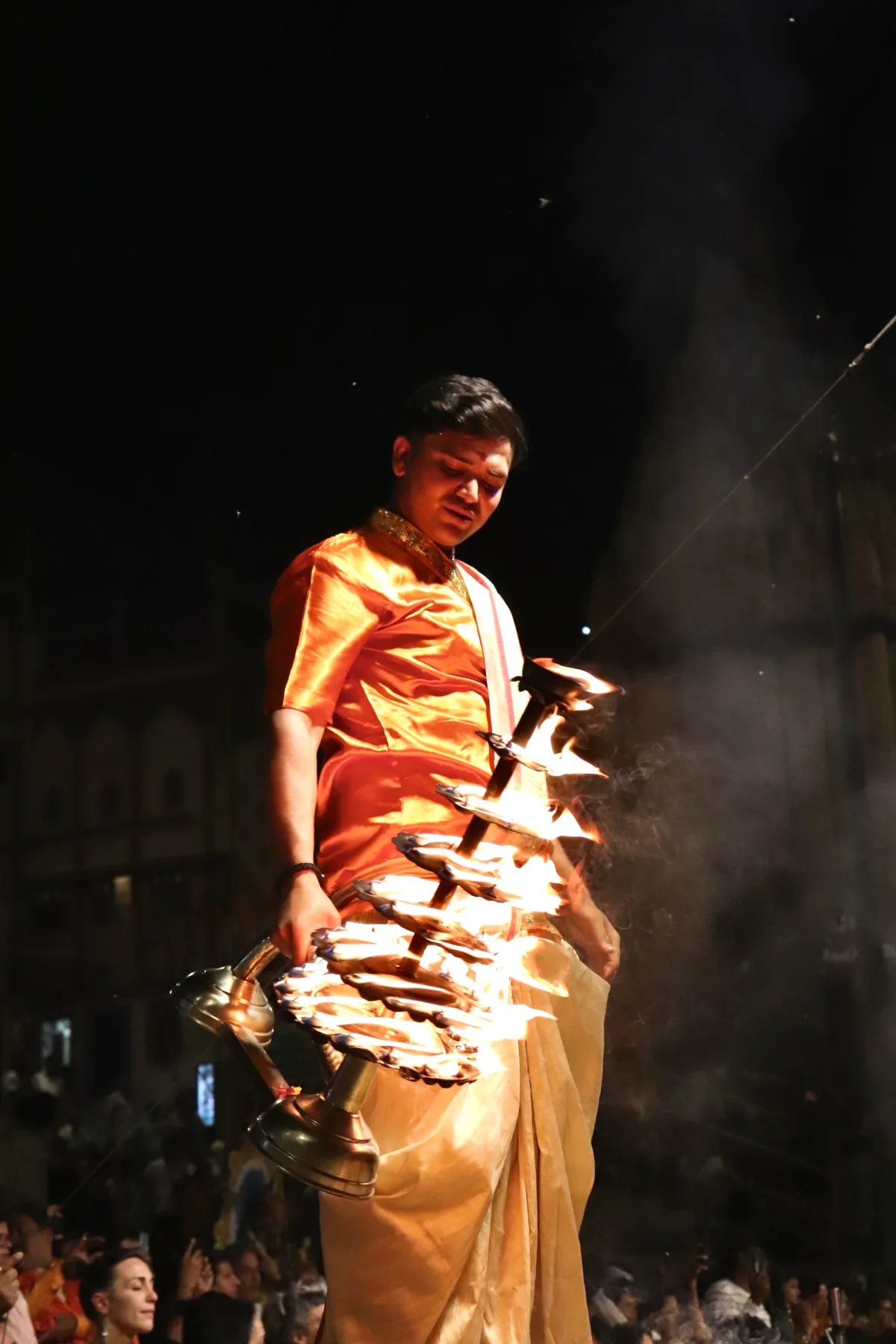
Dashashwamedh Ghat
The spiritual heart of Varanasi — home of the legendary Ganga Aarti
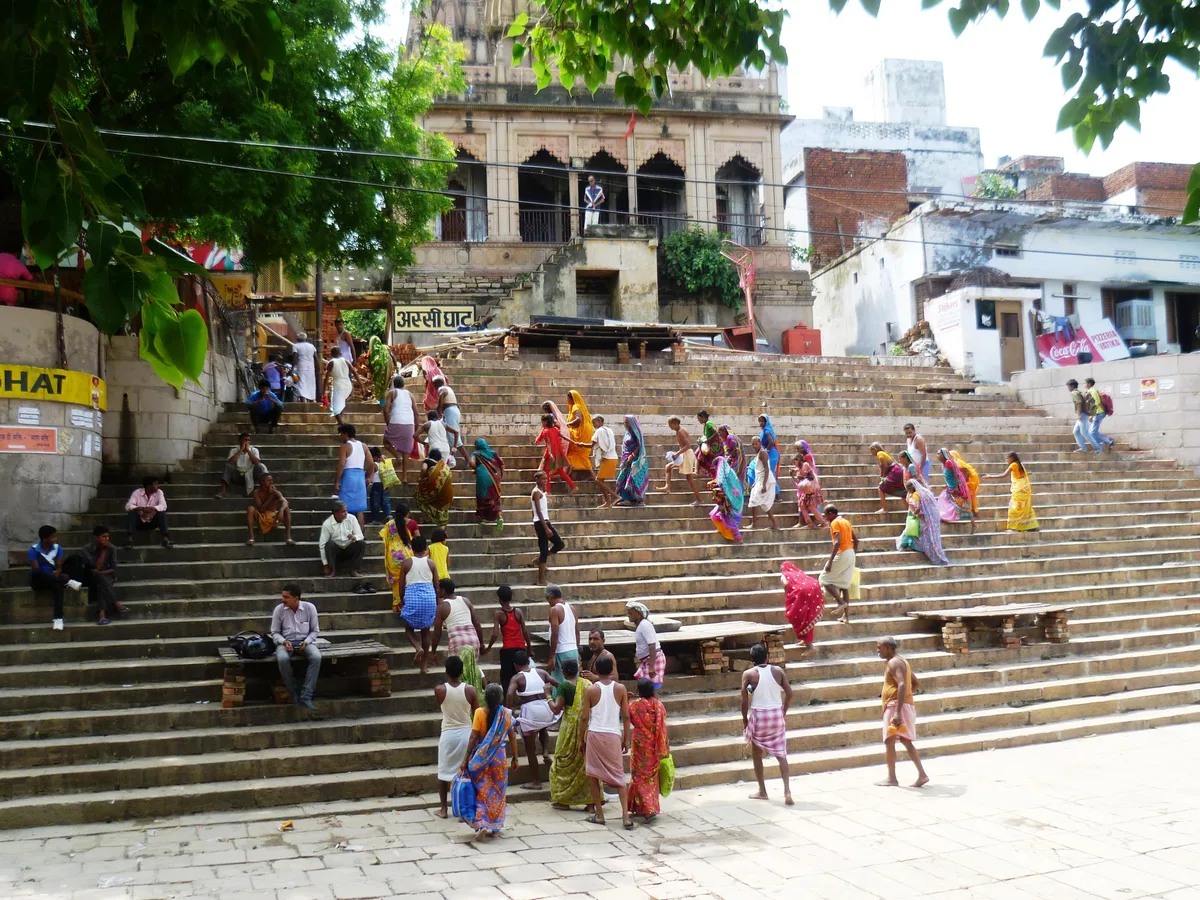
Assi Ghat
The southernmost major ghat — where pilgrims, students, and travellers converge
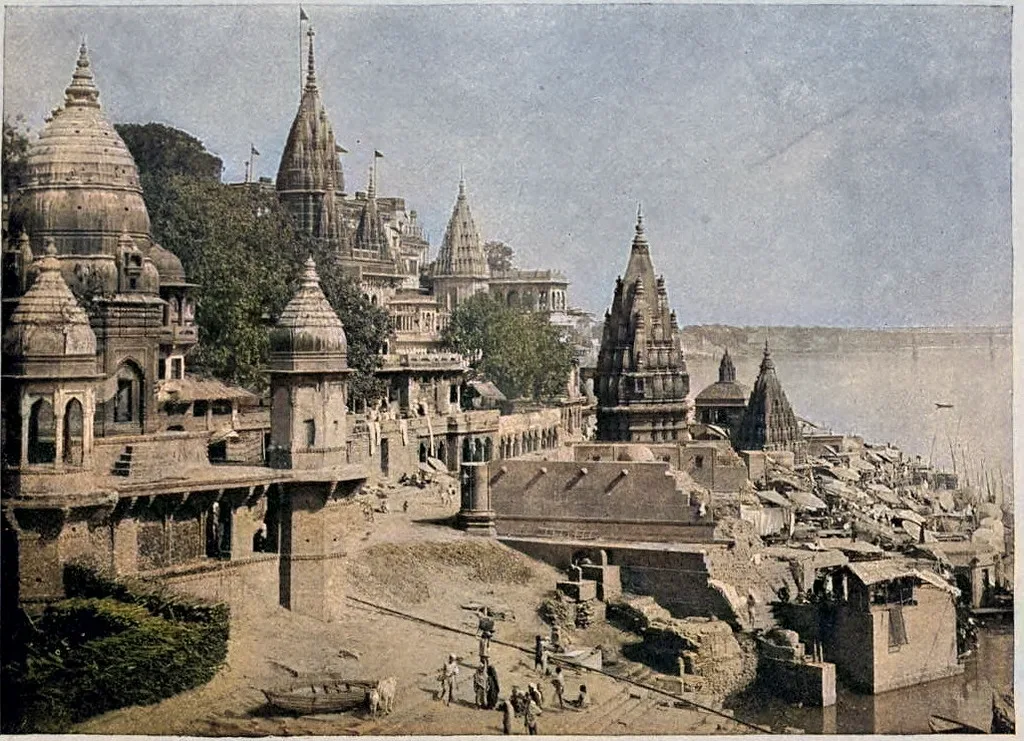
Manikarnika Ghat
Where Hindus believe the journey beyond life begins — fires that never go out
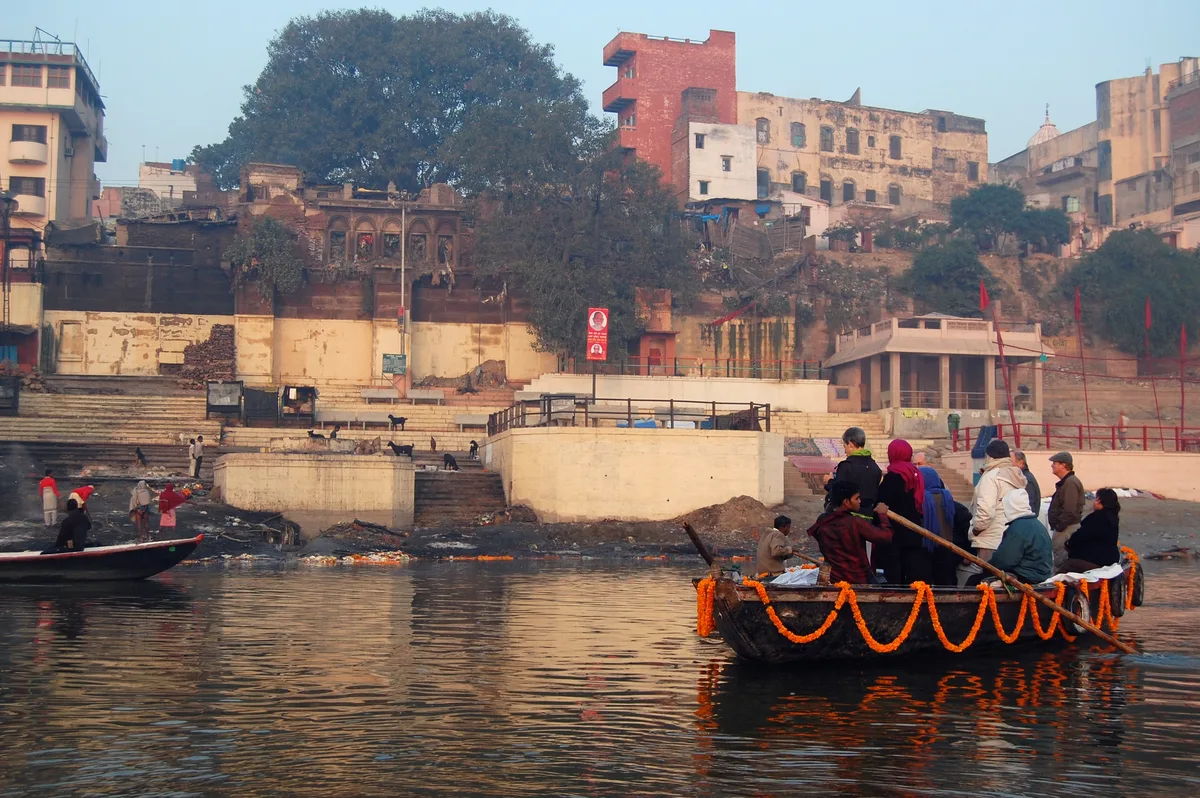
Harishchandra Ghat
Named for the legendary king who sacrificed everything for truth
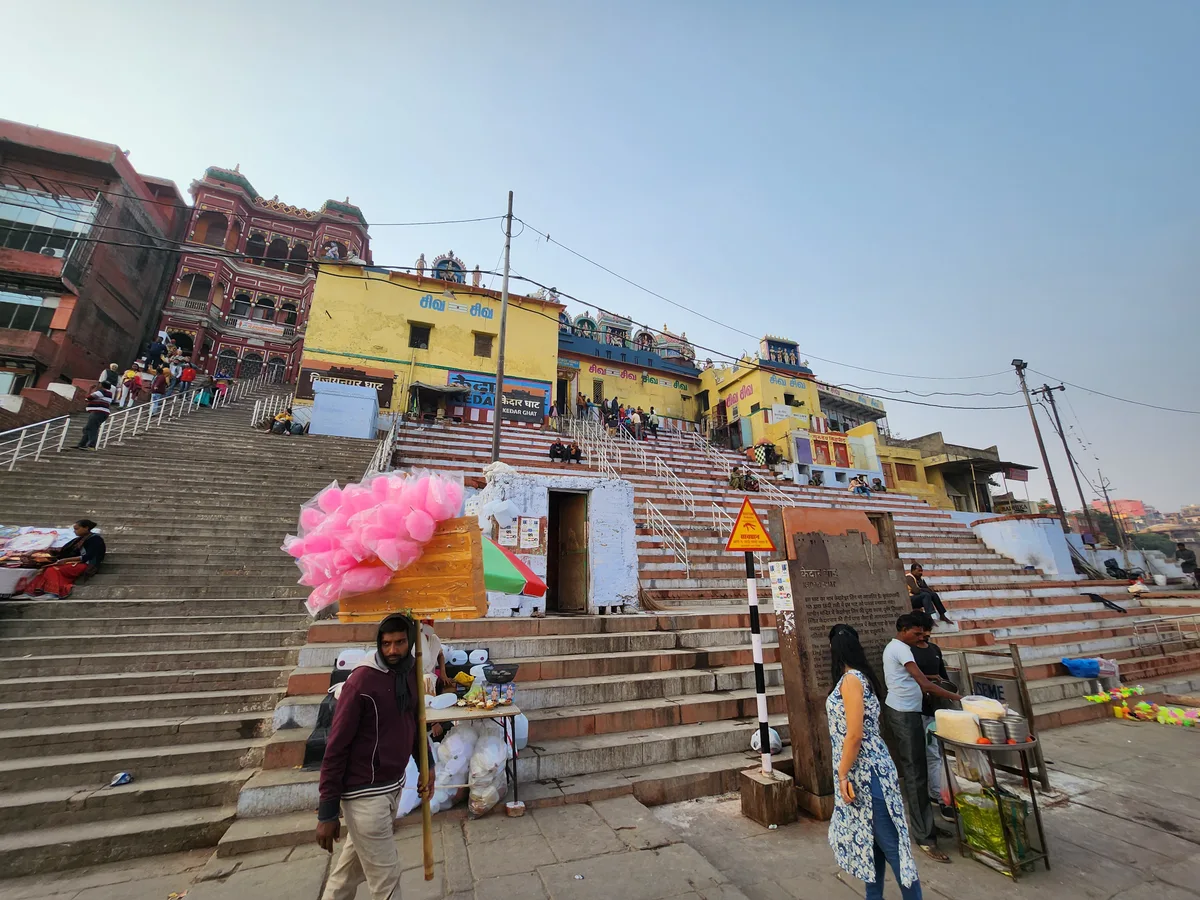
Kedar Ghat
Where Kashi's blessings merge with those of Kedarnath in the Himalayas
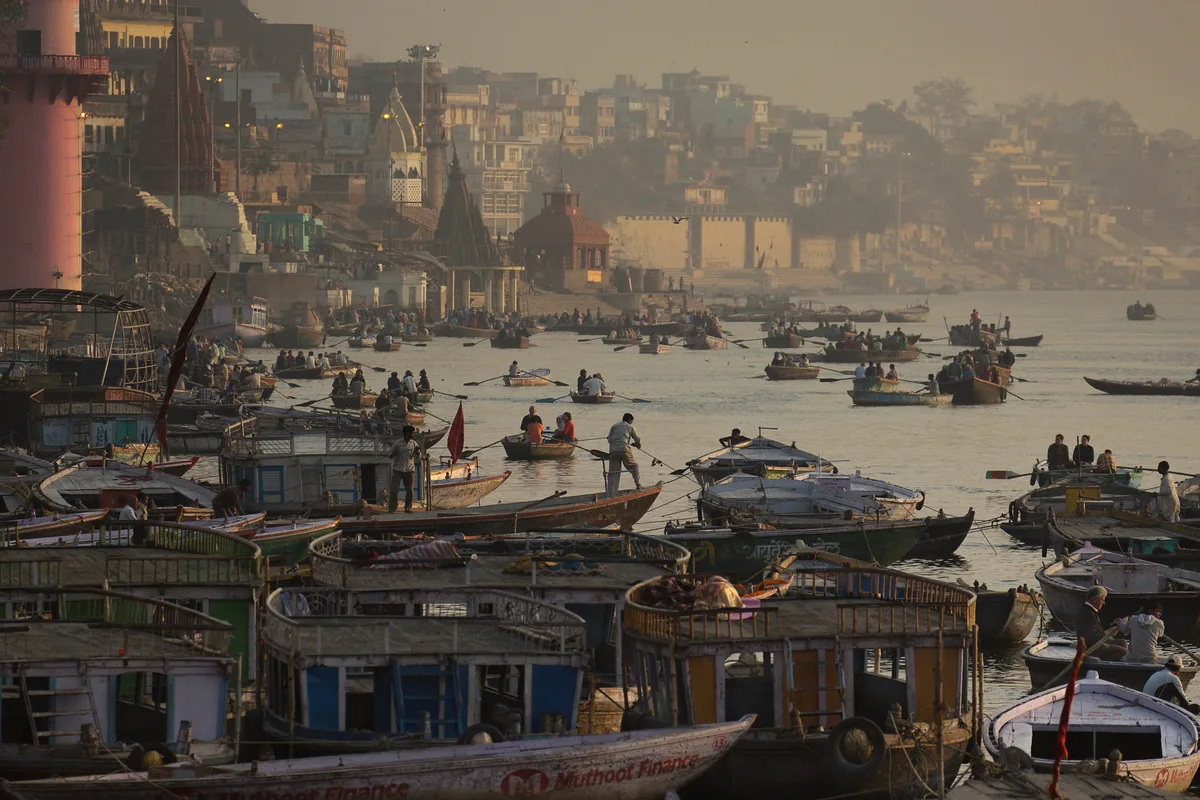
Scindia Ghat
A Maratha palace ghat with a Shiva temple slowly surrendering to the Ganga
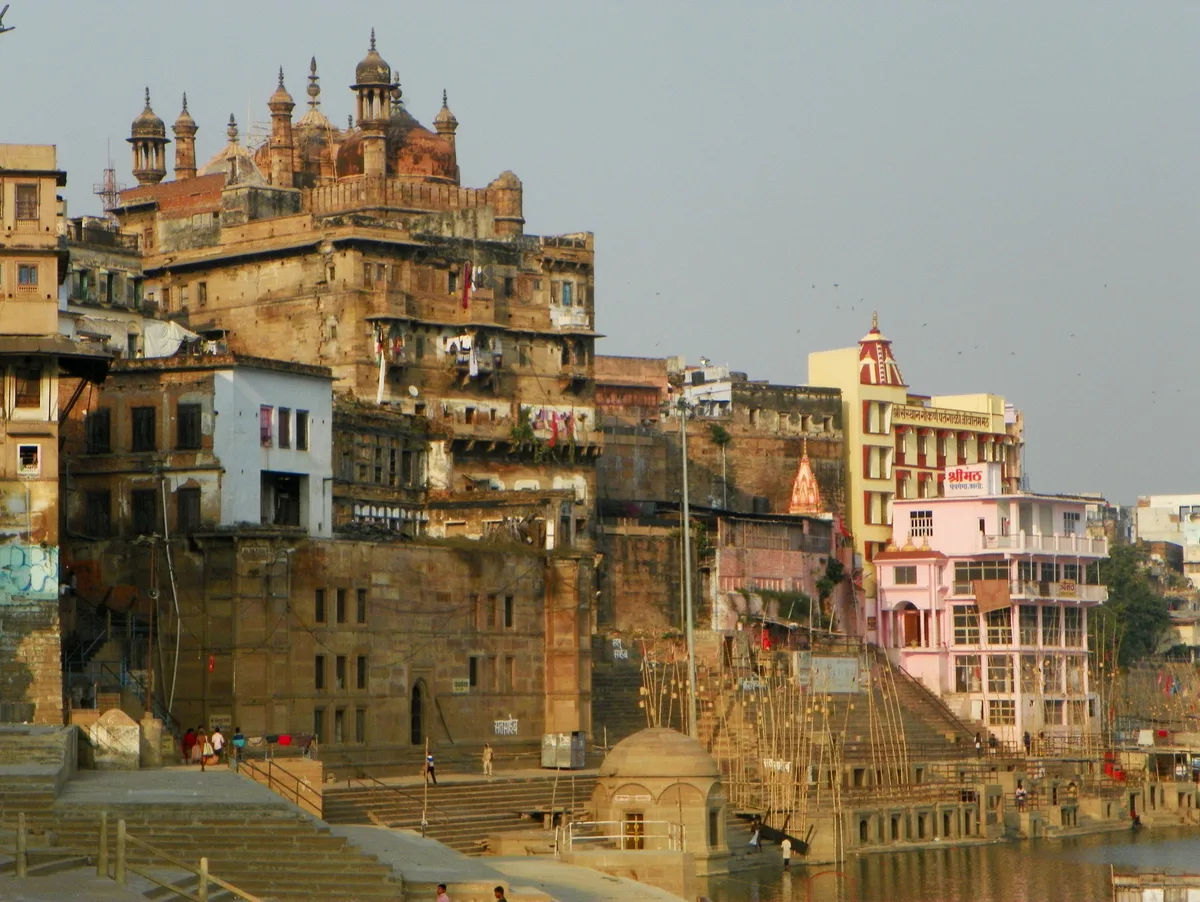
Panchganga Ghat
Where five sacred rivers are believed to converge — a site of layered religious history
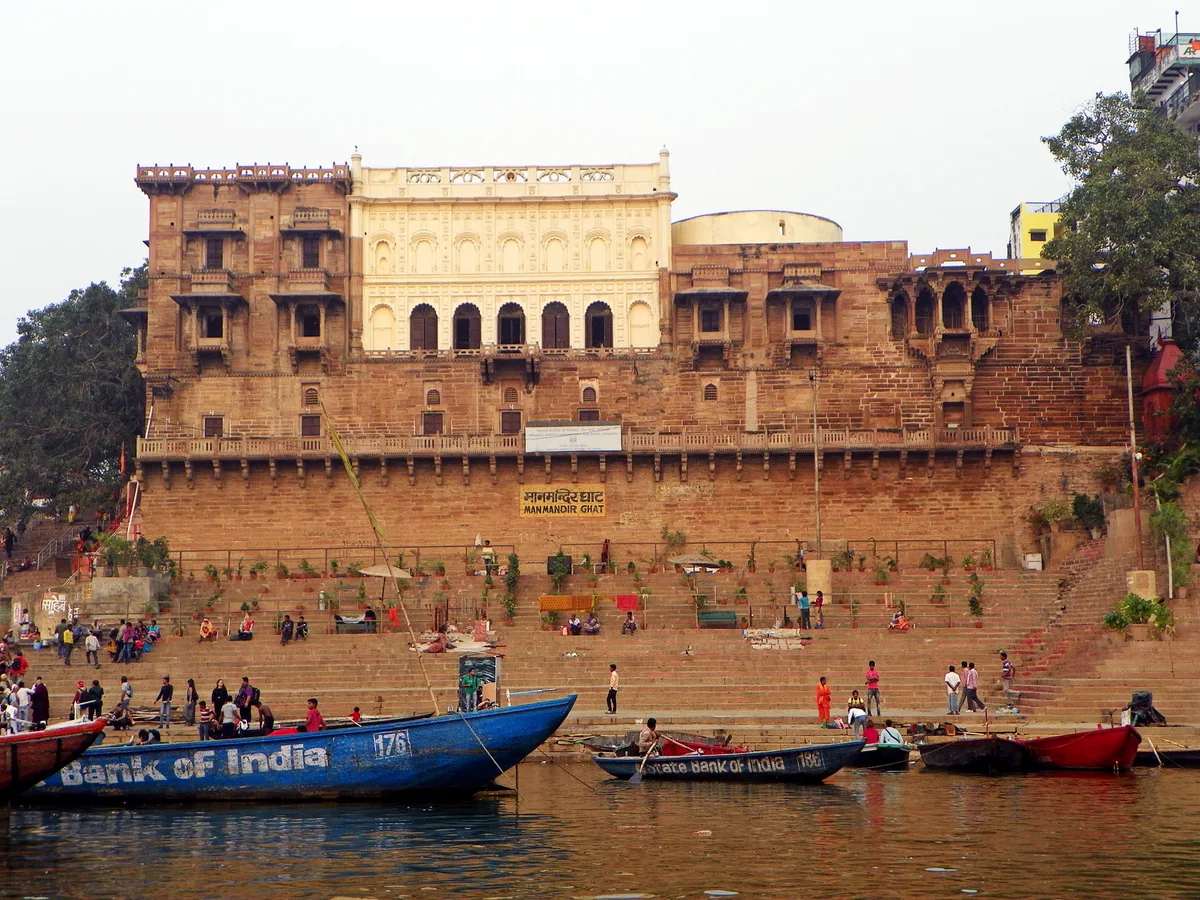
Man Mandir Ghat
A Jaipur Maharaja's palace ghat — home to one of India's five Jantar Mantar observatories
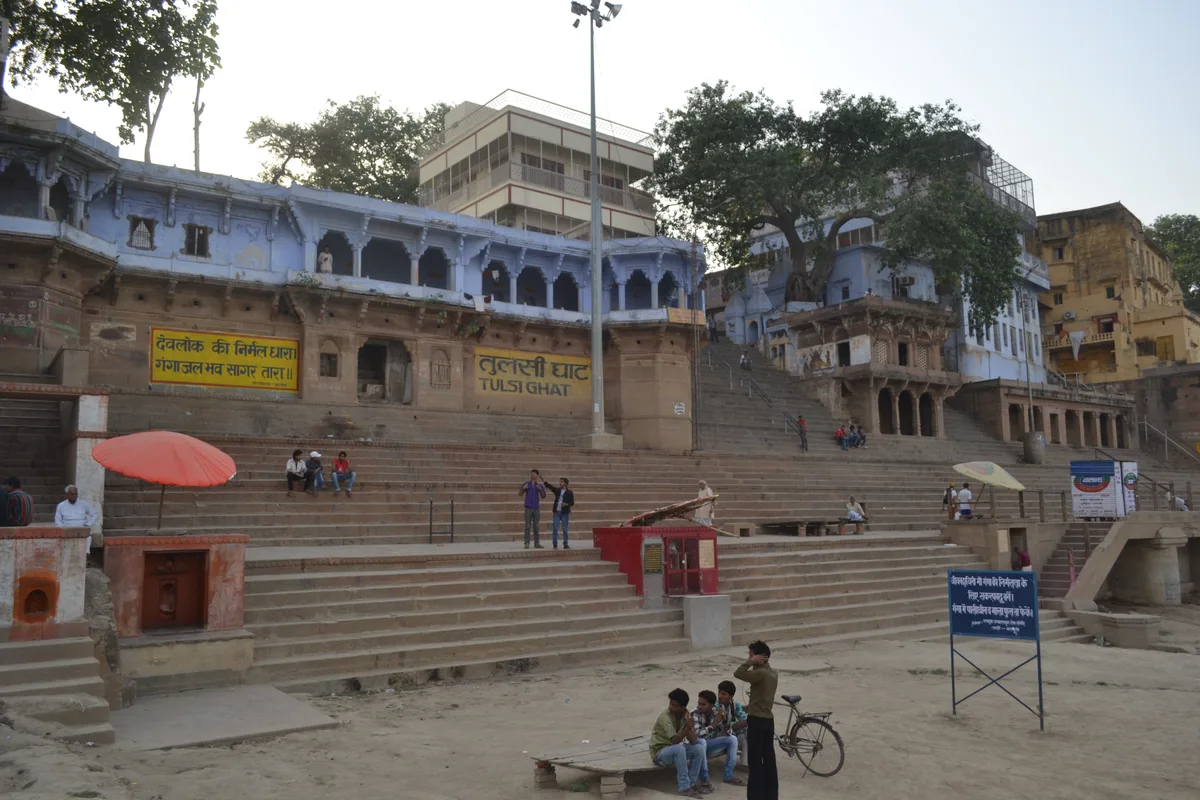
Tulsi Ghat
Named for Tulsidas — the 16th-century poet-saint who wrote the Ramcharitmanas at Kashi
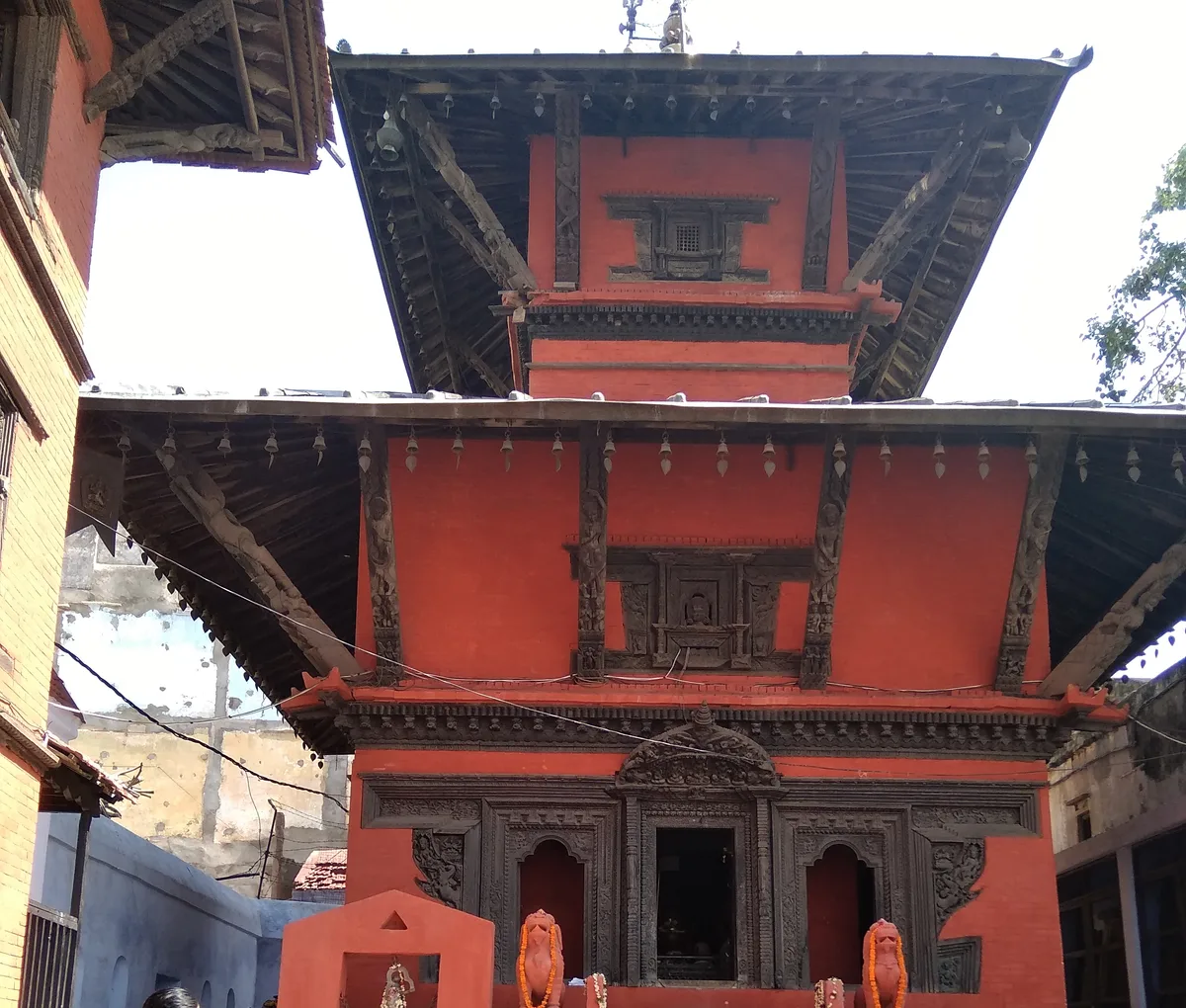
Lalita Ghat
A Kathmandu pagoda on the Ganga — Nepal's king built a Pashupatinath replica in Kashi during his exile
Kashi Ghats — Frequently Asked Questions
How many ghats are there in Varanasi?
There are traditionally 84 ghats in Varanasi (Kashi), stretching in a continuous arc for approximately 6.5 kilometres along the western bank of the River Ganga, from Assi Ghat in the south to Raj Ghat in the north. The number 84 holds symbolic significance in Hinduism (representing the 84 lakh life forms in Hindu cosmology), though the exact count of physical structures along the riverfront is higher.
Which ghat has the Ganga Aarti ceremony?
The main Ganga Aarti (fire worship ceremony) takes place every evening at Dashashwamedh Ghat — the most sacred and central ghat in Varanasi. Seven priests simultaneously perform the 45-minute ceremony with enormous brass lamps, bells, and devotional music. It is the most attended ceremony in Varanasi. A smaller morning aarti also takes place at Assi Ghat at sunrise.
Which is the most sacred ghat in Varanasi?
Dashashwamedh Ghat is considered the most sacred ghat for ritual purposes — it is where Brahma is said to have performed the Dashashwamedha sacrifice to welcome Shiva. For moksha (liberation from rebirth), Manikarnika Ghat is considered the most sacred cremation site; dying and being cremated here is believed to grant automatic moksha in the Shaiva tradition.
What are the two cremation ghats in Varanasi?
The two active cremation ghats are Manikarnika Ghat and Harishchandra Ghat. Manikarnika is the larger and more sacred of the two — cremation is said to have continued here without interruption for thousands of years. Harishchandra Ghat, to the south, is smaller and historically associated with the legendary story of King Harishchandra.
Which ghat is best for watching sunrise in Varanasi?
Assi Ghat and Dashashwamedh Ghat are both excellent for sunrise. Assi Ghat (the southernmost main ghat) has a small morning aarti ceremony and a calmer atmosphere. Dashashwamedh sees the most activity at dawn — pilgrims bathing, priests performing rituals, and boats setting out. For the most atmospheric experience, a sunrise boat ride from any ghat lets you see the entire waterfront lit by the early morning light.
What is Panchganga Ghat known for?
Panchganga Ghat is named for the belief that five sacred rivers — the Ganga, Yamuna, Saraswati, Kirana, and Dhutapapa — meet invisibly at this spot. It is one of the oldest ghats, and Tulsi Das is said to have composed parts of the Ramcharitmanas here. The large mosque at the top of the ghat steps was built by Aurangzeb. The ghat is particularly sacred for rituals performed during Kartik Purnima.
What is Man Mandir Ghat famous for?
Man Mandir Ghat is known for its 18th-century astronomical observatory, built by Maharaja Jai Singh II of Jaipur — the same ruler who built the Jantar Mantar observatories in Jaipur, Delhi, Mathura, and Ujjain. The observatory instruments, built into the ghat palace, were used for measuring time, solar positions, and celestial coordinates. The ghat also offers one of the best views of the Ganga riverfront.
What is the best time of year to visit the ghats?
October to February is the best period — cool weather, clear skies, and festival season (Dev Deepawali in November, Chhath Puja in October–November). The river is at a comfortable level with the ghat steps fully visible. March to May is warm but manageable. June to September (monsoon) brings high water levels that can submerge the lower ghat steps, but the flooded river has its own dramatic beauty.
Explore the Ghats With a Guide
A local guide brings the stories, significance, and hidden corners of the ghats to life. Spirit of Kashi offers sunrise boat rides and guided ghat walks.