Old City Heritage Walk Varanasi: Lanes, Temples and Living History
The old city's lanes hold 3,000 years of unbroken urban life — every corner, a story
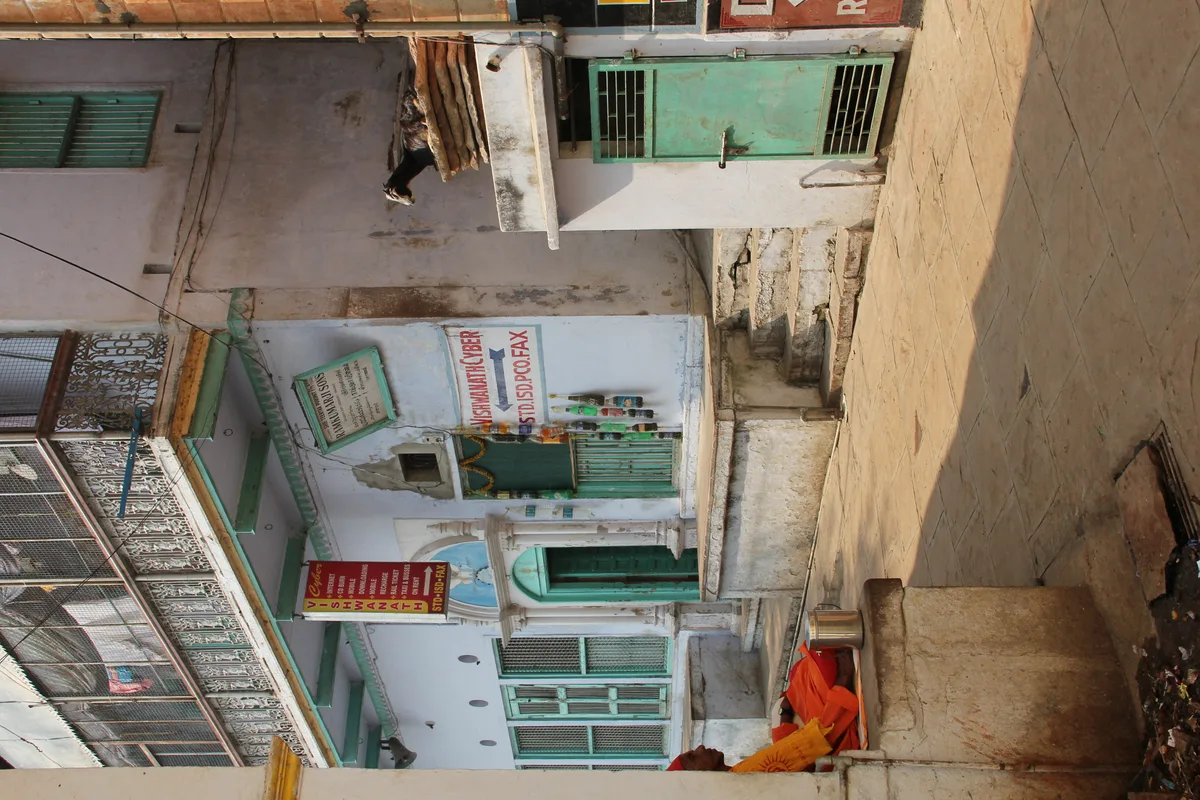
The old city of Varanasi — the area roughly bounded by the ghats to the east and Godaulia to the west — is a dense, labyrinthine urban fabric of narrow lanes (galis), ancient temples, working-class neighbourhoods, silk weaving workshops, chai stalls, and homes that have been in the same family for generations. It is one of the oldest continuously inhabited urban environments on earth. A heritage walk through these lanes is not a museum experience — the city is entirely, noisily, powerfully alive.
The Gali Maze: Understanding the Old City
The old city of Varanasi is made up of approximately 84 ghats (the river-facing ceremonial steps) and the lanes (galis) that lead back from them into the city. The lanes are old — their alignment predates most of the current structures — and often so narrow that two people cannot pass side by side. Many galis are named after their principal feature: Vishwanath Gali leads to the main temple, Kachori Gali is known for its food shops, Tripura Bhairavi Gali for a specific temple.
Navigation without a guide is famously disorienting — even with a map app, the streets are often unnamed or miscategorised, and the warren nature of the lanes means that first-time visitors regularly get lost. This is not entirely a disadvantage: unexpected discovery is part of the old city experience. But for a structured understanding of what you are seeing, a guide is genuinely valuable.
Key Stops on a Heritage Walk
A well-designed heritage walk of the old city covers several distinct zones:
Kashi Vishwanath Corridor and environs: The 2021-built Corridor has opened views to the temple complex previously obscured by dense housing. The ghats surrounding it — Lalita Ghat, Man Mandir Ghat — and the Gyanvapi complex are all within a small radius.
Vishwanath Gali and the devotional marketplace: The lane leading from Godaulia to the Kashi Vishwanath Temple is lined with shops selling puja supplies, flowers, sweets (prasad), religious images, and the inevitable souvenirs. It is extremely dense during temple hours.
Kachori Gali: The narrow lane most famous for food — kachori-sabzi stalls that have been feeding the old city for generations. The best time is breakfast (6–10 AM).
Working silk weaving areas: Several workshops in the old city are accessible with guide introduction — seeing a handloom in action, the jacquard patterns being woven row by row, is one of the most educational and visually rich experiences the city offers.
Kabir Chaura: The area associated with the poet-saint Kabir — a small math (monastery) where Kabir is said to have lived, and the weaving community around it that claims descent from his followers.
Manikarnika and Harishchandra Ghats: A heritage walk typically includes a respectful observation of the cremation ghats (no photography — this is absolutely enforced). Understanding this aspect of Varanasi is central to understanding the city's relationship with death and moksha.
Booking a Heritage Walk
The quality of a heritage walk in Varanasi varies enormously with the guide. A knowledgeable guide who has grown up in the old city — and who has relationships with local workshops, temples, and families — can turn a two-hour walk into an unforgettable experience. A guide hired opportunistically near the ghats may simply walk you to shops where they earn commission.
Spirit of Kashi heritage walks are conducted by guides with deep local knowledge and cultural understanding. Walks typically start at Assi Ghat or Dashashwamedh Ghat and can be tailored to specific interests (food focus, textile focus, architecture focus, pure religious heritage).
Walks are best in the morning (5:30–10:00 AM) or evening (5:00–8:00 PM) — midday heat in summer (April–June) makes the old city uncomfortable and many shops close for rest.
Frequently Asked Questions
Can I explore the old city lanes without a guide?▼
Yes — many independent travellers do, and getting pleasantly lost in the galis is part of the experience. The limitation is context: without a guide, you see lanes and buildings without understanding what they are or how they relate to each other. For a first visit, a guided walk followed by independent exploration works best.
Are there photography restrictions in the old city?▼
Photography is unrestricted in the lanes generally, but absolutely prohibited at the cremation ghats (Manikarnika and Harishchandra). Many temples also prohibit photography inside. When in doubt, ask before photographing people — the old city is a residential area, not a museum.