Varanasi Photography Guide: Best Spots, Golden Hour, and Rules
The most visually extraordinary city in India — but with rules that must be respected
Varanasi is, objectively, one of the most photographed cities on earth — a place where the light, the architecture, the river, and the density of human activity at the ghats create images that seem to exceed what photography ought to be able to capture. Pre-dawn mist on the Ganga, the Ganga Aarti fire reflections, the layered skyline of temples — these images are iconic worldwide. But Varanasi is also a city with strict rules about where photography is appropriate and where it is absolutely not.
The Best Photography Locations
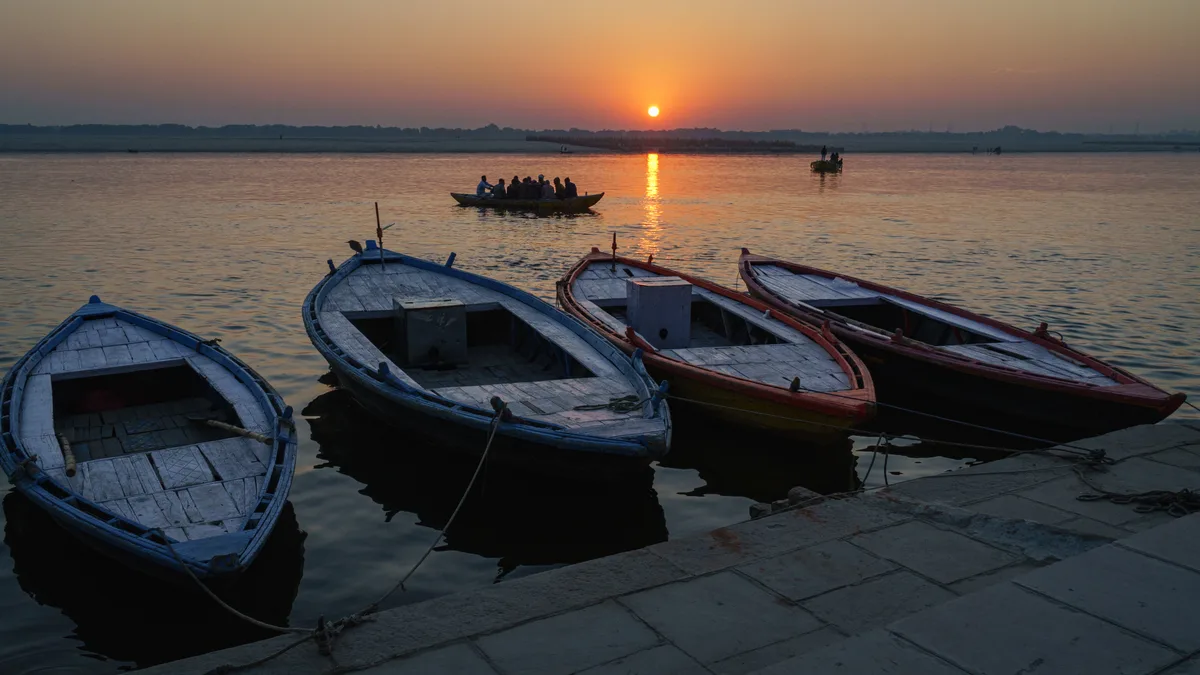
Dashashwamedh Ghat at sunrise: The single most productive photography location in Varanasi. The combination of river mist, boat traffic, bathers, the ghat architecture, and the improving light makes the 30 minutes either side of sunrise here extraordinary. Arrive at 5:00 AM in winter; 4:30 AM in summer for pre-dawn light.
Dashashwamedh Ghat at Ganga Aarti (sunset): The Aarti ceremony gives long-exposure fire photography, reflections on the water, the massed spectator crowd, and a visual spectacle few ceremonies in the world rival. A boat on the water gives wider perspective; the ghat steps give intimacy with the ceremony itself.
Assi Ghat morning activity: More relaxed, less crowded than Dashashwamedh. Morning yoga practitioners, elderly men at dawn puja, local swimmers, and beautiful northern light in winter.
Scindia Ghat (the sunken temple): The half-submerged Shiva temple at Scindia Ghat is one of Varanasi's most visually striking photographs — particularly at low water (October–February) when more of the structure is visible above the waterline.
Man Mandir Ghat and the Jantar Mantar: The observatory's instrument structures on the ghat terrace are unusual geometrically and relatively unvisited.
Kashi Vishwanath Corridor from the Ganga: The Corridor has opened views of the temple spire — visible from the river and from the upper levels of ghat buildings — that were previously obscured.
Panchganga Ghat looking north: A long ghat with fewer tourists and a good view along the river towards the old city.
Light and Timing
Varanasi's best light follows the same rules as any river-facing city: golden hour (30 minutes after sunrise and before sunset) is when the warm low-angle light rakes across the ghat textures and turns the Ganga into gold and copper.
In winter (November–February), the river mist in the morning adds a diffused atmospheric quality to the light — by 8–9 AM it clears, but the early morning mist shots are the most distinctive Varanasi imagery. Arrive before 6:00 AM in this period for the best opportunity.
Midday light in all seasons is harsh and flattering to nothing. The 11:00 AM–3:00 PM window at the ghats in summer is punishing for both photographer and subject.
The clearest, driest air (and therefore sharpest images with most distant detail) is in winter. Monsoon (July–September) brings elevated river levels and dramatically different ghat geometry — the water may reach within a few steps of the top, and many ghats are submerged. The drama of monsoon Varanasi is photographically extraordinary but requires accepting that your standard ghat compositions will be entirely different.
Photography Rules and Etiquette
The absolute rule: DO NOT photograph at Manikarnika or Harishchandra Ghats. The cremation ghats are active funeral sites. The people present are bereaved families conducting the most intimate possible religious ritual. Photography here is not merely culturally insensitive — it is prohibited, and violations can result in confrontation, confiscation of equipment, and justified anger from the local community. No photograph from either cremation ghat is worth taking.
Temple photography: Many temples prohibit cameras inside — Kashi Vishwanath Temple does not allow cameras or phones beyond certain points (they must be deposited). Always check signage before raising a camera inside a religious space.
Photographing people: The ghats are a public space, and photography of the public is generally acceptable. However, some sadhu and baba figures — particularly those who have positioned themselves for photographs — will demand payment. Photographing someone actively in prayer or puja without their awareness is generally considered intrusive. A respectful request and acceptance of refusal is the correct approach.
Drone photography: Commercial drone flight in Varanasi requires permissions from both local authorities and the Archaeological Survey of India (for areas near protected monuments). Consumer drone flight without permission is prohibited and can result in equipment confiscation.
Equipment Recommendations
For the typical Varanasi photography conditions: - A telephoto range (70–200mm equivalent) is valuable for compressing the ghat architecture and isolating ceremony details from the boat - A wide angle (16–24mm equivalent) is necessary for narrow lane shots in the old city - A tripod for Ganga Aarti long-exposure shots — river reflections in moving water look best at 1/15–1/30 second - Weather-sealed body if visiting in monsoon — boat spray and sudden rain are real considerations at the ghats - Dry bag or sealed pouch for boat trips
Frequently Asked Questions
Is it possible to take a photography-focused boat ride at sunrise?▼
Yes — a dedicated sunrise photography boat ride is one of the most popular Spirit of Kashi offerings. The boat can be positioned for specific angles, moved to follow the light, and held steady for longer exposure shots. Smaller private boats give more flexibility than crowded shared rides.