Kal Bhairav Temple Varanasi: The Guardian of Kashi
The Kotwal of Kashi — guardian deity of Varanasi who receives offerings of alcohol
Every city in India has a Kotwal — a police chief, a guardian officer. In Varanasi, that role is held not by a human but by a deity: Kal Bhairav, a fierce form of Lord Shiva who is believed to protect Kashi and its inhabitants. Located in the heart of the old city, Kal Bhairav Temple is one of the city's most important shrines, and one of its most unusual — the deity here receives offerings of alcohol (sharab), which is then distributed as prasad to devotees.
Who is Kal Bhairav?
Bhairav is one of the most complex deities in the Shaiva tradition — a fierce, cremation-ground deity associated with time (kala), darkness, and transgressive power. The name 'Kal Bhairav' means 'the dread lord of time.' He is one of the eight Bhairavas (Ashta Bhairavas), each guarding one of the eight directions of Kashi.
In Varanasi's religious hierarchy, Kal Bhairav holds a unique administrative role: as Kotwal, he is the deity who determines whether a soul may remain in or depart from Kashi. Pilgrims traditionally visit Kal Bhairav before beginning their temple circuits in Varanasi — to seek the Kotwal's permission to enter the sacred city. This is not mere ritual formality; in Varanasi's cosmology, visiting the city's temples without first honoring the Kotwal is considered incomplete.
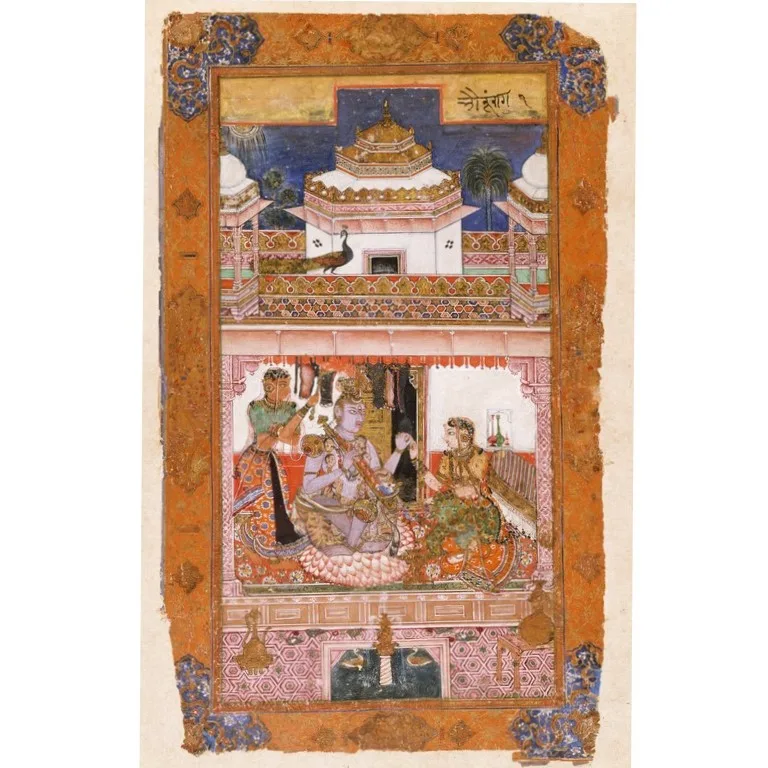
Kal Bhairav is depicted with fearsome attributes: black-faced, adorned with skulls, holding a club and a severed head, accompanied by a dog (his vahana). The deity's fierce appearance reflects the Shaiva understanding of divine power in its most direct and unmediated form.
The Alcohol Offering: History and Practice
The most distinctive aspect of Kal Bhairav worship in Varanasi is the offering of alcohol (sharab or madira). Unlike most Hindu temples where alcohol would be considered polluting and absolutely prohibited, Kal Bhairav is offered alcohol directly — bottles of liquor are presented to the deity, 'consumed' ceremonially (the priest tips the bottle to the deity's stone mouth), and then distributed back to devotees as prasad.
This practice has deep roots in the Shakta-Tantra tradition, in which the normally prohibited substances (madya, mamsa — alcohol and meat) are incorporated into worship as a means of transcending conventional duality. For devotees, receiving liquor prasad from Kal Bhairav is spiritually significant — it is the Kotwal's blessing in liquid form.
The temple lane outside is lined with shops selling both traditional offerings (flowers, sweets, bel patra) and liquor in small bottles specifically packaged for temple offerings. Both types of devotees coexist without friction.
How to Visit
Kal Bhairav Temple is located in the Vishweshwarganj area of old Varanasi, in the dense lanes north of the main bazaar. It is best reached on foot through the lanes — ask for 'Kal Bhairav Mandir' and any local will direct you. The narrow lane approach, with its combination of incense, temple bells, and the unique offering environment, is itself part of the experience.
Dress modestly and remove shoes before entering. There is no restriction on non-Hindus entering the outer temple area, but the inner sanctum rules follow standard practice. Photography policies should be verified at the temple. The temple is active throughout the day, with the most activity during morning and evening puja hours.
Frequently Asked Questions
Is it compulsory to offer alcohol at Kal Bhairav Temple?▼
No — offering alcohol is a tradition within the Tantric worship of Bhairav, but many devotees offer only flowers, bel patra, and other standard items. Both types of worship coexist at the temple. Visitors who are not comfortable with the alcohol offering are entirely welcome to make a standard floral offering.
Why do people visit Kal Bhairav before other Varanasi temples?▼
In Varanasi's religious tradition, Kal Bhairav as Kotwal must grant permission for a devotee to enter the sacred city's inner circles of worship. Beginning your temple circuit at Kal Bhairav is a sign of respect for this guardian deity and, in popular belief, ensures the blessings of subsequent temple visits are properly received.