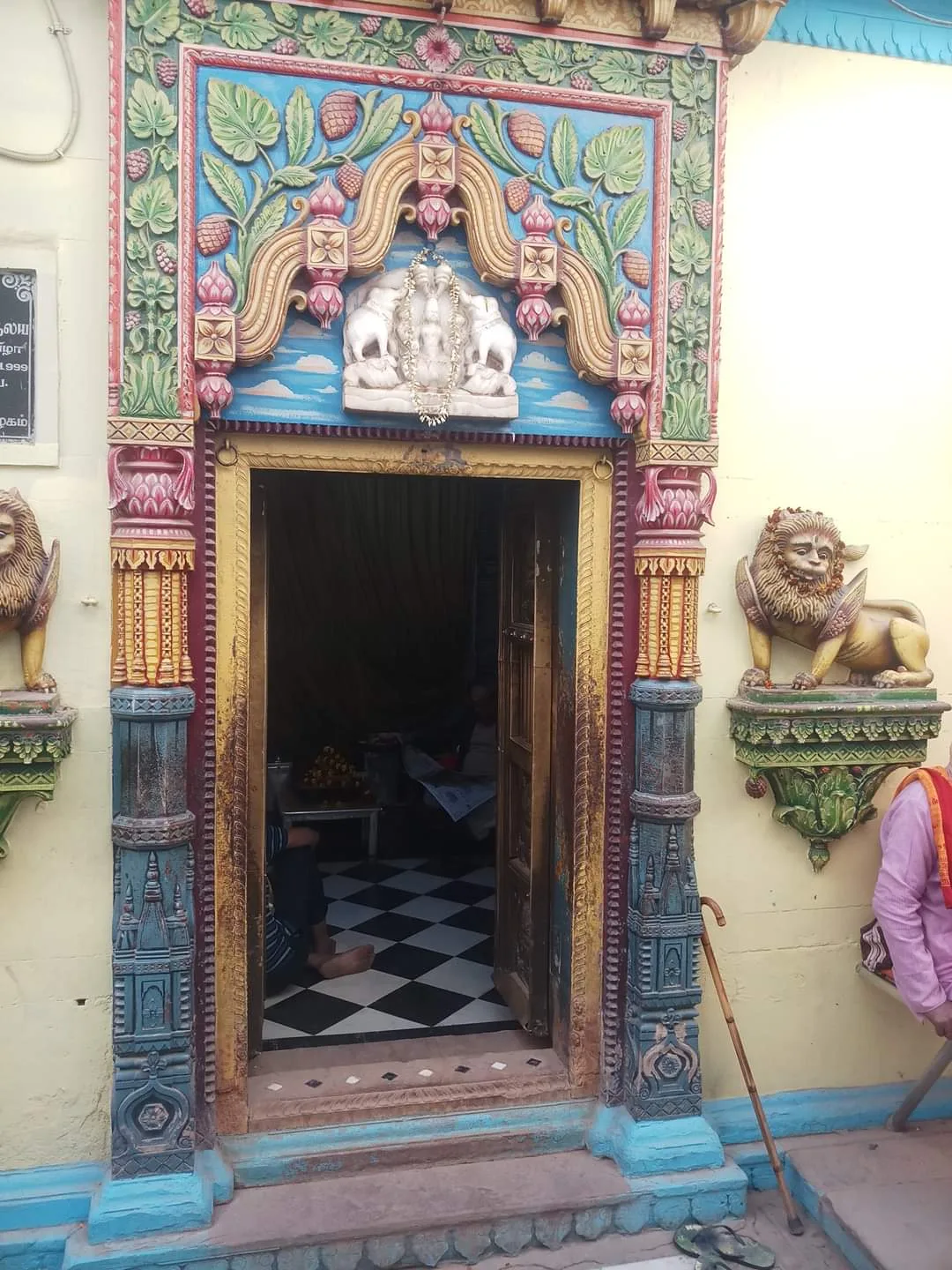
Vishalakshi Temple Varanasi: The Shakti Peetha of Kashi
One of the 51 Shakti Peethas — the wide-eyed goddess who holds the power of Kashi
Vishalakshi Devi Temple is one of the most important goddess shrines in all of Varanasi — and one of the 51 Shakti Peethas of Hinduism, the sacred sites where parts of the goddess Sati's body are said to have fallen after her death. In the Kashi context, Vishalakshi ('wide-eyed' or 'large-eyed') is understood as a presiding form of the divine feminine associated with the city itself — the goddess who gives Kashi its spiritual power and protection. For pilgrims completing a full Kashi circuit, Vishalakshi Devi darshan is considered essential.
The Shakti Peetha Tradition
The concept of Shakti Peethas originates in the Puranic story of Sati, the devoted wife of Lord Shiva. Sati immolated herself after her father Daksha insulted Shiva at the Daksha Yajna. Shiva, in grief, carried her body across creation, and Vishnu's Sudarshana Chakra severed the body into 51 pieces, each falling to earth at a different location. Each landing spot became a Shakti Peetha — a seat of concentrated divine feminine power.
Different Shakti Peetha lists associate different body parts with Varanasi: some texts connect the Vishalakshi site with Sati's eyes (akshi), giving the goddess her name. In the Shakti Peetha system, Vishalakshi Devi is paired with the Bhairav form of Kal Bhairav — who is Kashi's Kotwal (guardian) and whose own temple is a key part of the Kashi pilgrimage circuit.
Of the 51 Shakti Peethas, only a handful are located within the boundaries of ancient Kashi — making Vishalakshi the primary Shakti Peetha of Varanasi and a site of particular importance in the Shakta tradition.
The Temple and Its Deity
The Vishalakshi Devi Temple is located near Mir Ghat, on the banks of the Ganga — in one of the most spiritually dense sections of the Varanasi waterfront. The deity Vishalakshi is depicted with large, luminous eyes and worshipped in the form of a goddess of compassion and power.
The temple is an active place of worship — busy throughout the day with devotees offering puja flowers and coconuts. The inner sanctum is intimate; darshan involves moving through a queue of pilgrims.
Vishalakshi Devi is worshipped with particular intensity during Navratri (nine nights of the goddess) and during the Shravan month, when Shiva worship in Kashi reaches its most concentrated expression and devotees complete goddess shrine circuits as part of extended pilgrimage.
Vishalakshi in the Kashi Pilgrimage Circuit
For pilgrims following a complete Kashi darshan, Vishalakshi Devi forms part of the Shakti circuit of the city — complementing Kashi Vishwanath (Shiva) with the goddess who is Shiva's Shakti (power). A traditional Kashi pilgrimage includes visits to the major goddess shrines — Vishalakshi, Annapurna, and the Durga Kund temple — alongside the major Shiva shrines.
The temple's location near Mir Ghat means it can be included naturally in a ghat walk or morning darshan circuit. Many pilgrims take a boat to Mir Ghat, bathe in the Ganga, and then proceed directly to Vishalakshi Devi before heading to Kashi Vishwanath.
Frequently Asked Questions
Is Vishalakshi Temple open to non-Hindus?▼
The temple is generally accessible for respectful visitors. As with many active Hindu temples, the inner sanctum access follows Hindu temple norms. Visitors should dress modestly, remove footwear, and observe quietly. The outer courtyard area is accessible to all.
What is a Shakti Peetha?▼
A Shakti Peetha is one of the 51 sacred sites in Hindu tradition where parts of the goddess Sati's body are believed to have fallen — making each location a concentrated seat of divine feminine power (Shakti). Visiting Shakti Peethas is considered deeply meritorious in the Shakta tradition. Vishalakshi Temple is one of these 51 sites, and the only major Shakti Peetha within the city of Varanasi itself.