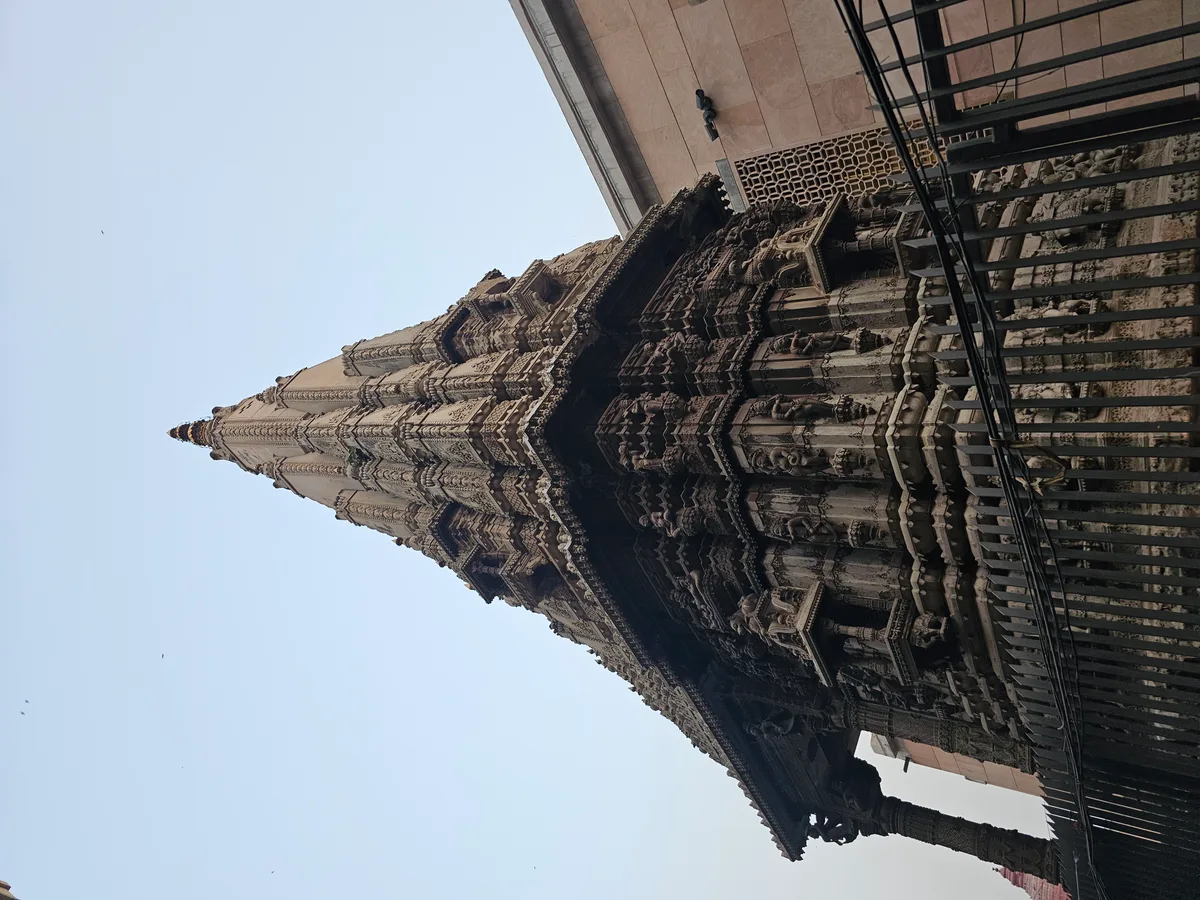
Shravan Month in Varanasi: Kashi at the Height of Shiva Worship
Four weeks when all roads lead to Kashi — the sacred month of Shiva
Shravan (also written Sawan) is the fifth month of the Hindu lunar calendar, falling in July–August. In the Shaiva tradition, Shravan is the most auspicious month for Shiva worship — and because Kashi (Varanasi) is the supreme city of Shiva, the month transforms the city into a place of intensified pilgrimage, ritual, and devotion. The Kashi Vishwanath Temple receives millions of visitors during Shravan; every Monday of the month is considered especially sacred; and the Kanwar Yatra — a mass pilgrimage of Shiva devotees carrying Ganga water to their home Shiva temples — fills Varanasi's approach roads with hundreds of thousands of saffron-clad pilgrims.
Why Shravan Is Sacred to Shiva
The sacredness of Shravan for Shiva worship derives from multiple mythological sources. One tradition connects the month to the churning of the cosmic ocean (Samudra Manthan), during which the poison Halahala emerged and threatened to destroy creation. Shiva consumed the poison to save the world — and the gods poured Ganga water and milk on Shiva's throat to cool the burning. This act of cooling Shiva with sacred water is re-enacted by pilgrims during Shravan.
Another tradition holds that Shravan is when Shiva and Parvati are reunited after separation — a time of divine love and grace that believers participate in through worship. In many regions of India, Shravan is a month of fasting, particularly for women performing the Mangala Gauri vrat (fasting on each Tuesday of Shravan for marital well-being).
In the Kashi context, every day of Shravan is considered auspicious for worship at Kashi Vishwanath. Mondays (Somavar) — already the day most associated with Shiva — become the most important worship days, and Sawan Somavar (Shravan Monday) queues at Kashi Vishwanath can be several hours long.
The Kanwar Yatra
The Kanwar Yatra is one of India's largest annual pilgrimages — and one of the most visually dramatic. During Shravan, millions of devotees (Kanwariyas) travel on foot to the Ganga, fill decorated water vessels (kanwars) with Ganga water, and carry the water back to their home Shiva temple — often covering distances of 100–300 km.
The kanwars are elaborately decorated with saffron cloth, flowers, and images of Shiva. Pilgrims dress in saffron (the colour of Shaiva devotion) and travel in large groups, often singing devotional songs. By tradition, the kanwar vessel must not touch the ground from the Ganga to the destination temple — it is carried continuously, suspended from a shoulder pole.
In Varanasi, the Kanwar Yatra fills the ghats and approach roads. Dashashwamedh Ghat sees enormous crowds of Kanwariyas filling their vessels; the city's hotels, dharamshalas (pilgrim guesthouses), and open spaces fill with pilgrims resting before the return journey.
For travellers visiting Varanasi during Shravan, the Kanwar Yatra is both spectacular and practically significant: roads become congested, transport is slower, and accommodation should be booked well in advance.
Experiencing Shravan in Varanasi
Visiting Varanasi during Shravan is an experience of Hindu devotional life at its most intense. The atmosphere around Kashi Vishwanath Temple, particularly on Sawan Mondays and on peak Kanwar Yatra days, is extraordinary: the lanes are packed, devotional music plays continuously, the smell of marigold and incense is constant, and the energy of mass pilgrimage is palpable.
Practical considerations: hotel occupancy is high during Shravan, particularly on weekends and Mondays. The Kashi Vishwanath Temple queue on peak Sawan Mondays can run for 4–6 hours. Spirit of Kashi can arrange VIP darshan access and guided circuit walks that include Vishalakshi, Kal Bhairav, and Annapurna — the full Kashi Shakti and Shiva circuit that devotees complete during the month.
Monsoon is the season of Shravan — the Ganga is full and running fast, the ghats are partially submerged in good monsoon years, and the city is green and lush. Boat rides during Shravan offer a completely different visual experience of the waterfront.
Frequently Asked Questions
Is Shravan a good time to visit Varanasi?▼
Shravan is one of the most spiritually intense times to visit Varanasi — ideal if you want to experience Hindu pilgrimage culture at full force. It is also hot, rainy, and extremely crowded, particularly around Kashi Vishwanath Temple. If you prefer comfortable sightseeing, October–March is easier. If you want to experience the raw energy of mass devotion in the world's most sacred Shiva city, Shravan is extraordinary.
What is the significance of Sawan Somavar?▼
Sawan Somavar (Shravan Monday) is considered the most auspicious day for Shiva worship within the already-auspicious Shravan month. Monday is the weekly day of Shiva; Shravan is his month; the combination makes Sawan Mondays particularly sacred. Kashi Vishwanath Temple receives extremely large crowds on these days — easily among the busiest of the entire year.