Varanasi 1-Day Itinerary: The Best Single-Day Plan (5 AM to 9 PM)
Sixteen hours. The sunrise, the temple, the aarti — nothing missed
One day in Varanasi is not ideal — but it is far better than none. If you have a single day, this is the plan that covers everything that cannot be skipped: the Ganga at sunrise, Kashi Vishwanath Temple, the living lanes of the old city, and the Ganga Aarti at dusk. The schedule runs from 5 AM to 9 PM and leaves almost no slack. The key to making it work is starting before the sun rises and not stopping to improvise. A guide is strongly recommended for this plan — the old city lanes are disorienting for first-time visitors, and every wasted minute matters.
5:00–7:30 AM: Sunrise Boat Ride on the Ganga
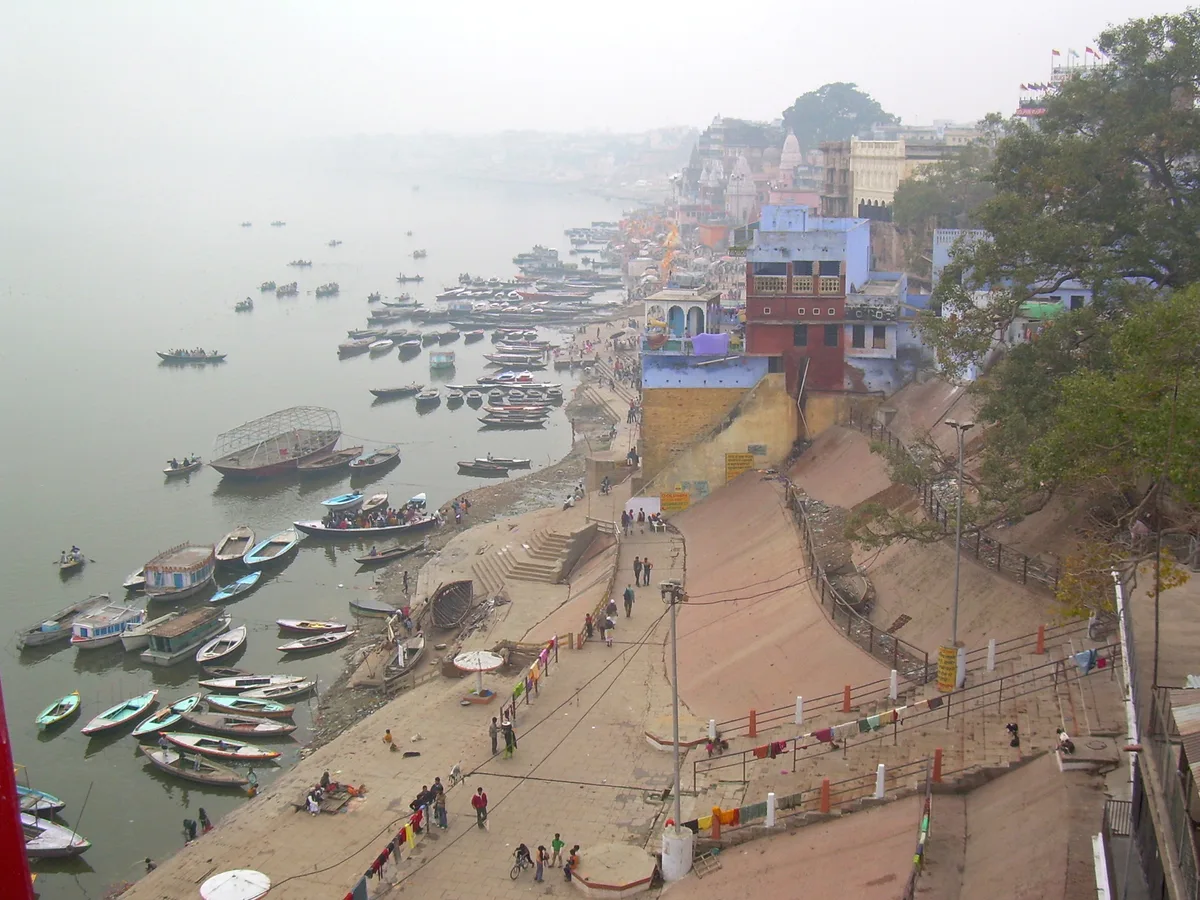
This is the non-negotiable anchor of the day. Boats depart from Dashashwamedh Ghat or Assi Ghat — arrange the boat the evening before, or have your hotel fix it. The standard 1.5–2 hour sunrise ride takes you north from Assi Ghat to Manikarnika and back, watching the ghats come alive: pilgrims bathing, priests performing morning rituals, the fires at Manikarnika, the pink light spreading across the far sandy bank.
Tell the boatman to take you past Manikarnika Ghat — observe respectfully from the water, no photographs. The view of the ghats from the river at sunrise is one of the most extraordinary sights in India and is impossible to replicate from the steps.
Negotiate the boat price before departure: ₹700–1,500 per boat (not per person) for a 1.5–2 hour ride is fair. Return to the ghat steps around 7:00–7:30 AM.
7:30–9:00 AM: Breakfast and Walk to Kashi Vishwanath
Breakfast on the ghats: Banarasi kachori sabzi from a stall near Dashashwamedh — the combination of flaky kachori, spiced potato curry, and kulhad chai (tea in a clay cup) is the classic Varanasi morning meal. Eat at the ghat or in the lane — standing is fine, the stalls open at 6 AM and peak by 8 AM.
After breakfast, walk toward Kashi Vishwanath Temple. The temple is a 10-minute walk from Dashashwamedh through the lanes. Go early — queues for darshan are significantly shorter before 10 AM on weekdays. Leave all leather items (belt, shoes, bag) in the paid cloak room outside the temple. Phones and electronic devices are not allowed inside.
9:00–11:00 AM: Kashi Vishwanath Temple Darshan
The Kashi Vishwanath Jyotirlinga is one of the twelve most sacred Shiva temples in India. The approach through the Kashi Vishwanath Corridor — the expanded marble walkway connecting the Ganges to the temple — is architecturally magnificent. The inner sanctum is small and the devotional intensity is very high.
Allow 1.5–2 hours for the full experience: the queue, the darshan, the corridor, and a slow walk back through the surrounding temples. The Adi Vishweshwar Temple nearby and the small shrines along the corridor are part of the complete visit.
For those arriving on a Monday or during an auspicious period, queue times can extend to 2–3 hours — factor this in. If time is extremely tight, the darshan from the corridor (without entering the inner sanctum) is free and takes 20 minutes.
11:00 AM–1:00 PM: Old City Lanes Walk
Leave the temple and enter the old city on foot. The lane system around Kashi Vishwanath — Vishwanath Gali, Kachori Gali, Thatheri Bazaar — is a living medieval city. Narrow lanes (1–2 metres wide), brass workshops, silk shops, flower sellers, cows, pilgrims, residents. This is not a museum; it is an active, breathing city that has operated like this for hundreds of years.
With a guide, the walk becomes deeply informative — the architectural history of specific buildings, the caste geography of the lanes, the function of each market. Without a guide, you will get lost at least once, which is not entirely a bad thing.
Aim to emerge from the lanes at Godaulia junction by 1:00 PM.
1:00–2:30 PM: Lunch and Midday Rest
Lunch at a restaurant near Godaulia or in the lanes. The old city has many affordable vegetarian restaurants serving Banarasi thalis and North Indian food. A full thali (rice, dal, sabzis, roti, pickle, papad) at a mid-range restaurant costs ₹200–400.
After lunch, the city slows. The ghats are hot in the midday sun during November through March, intense in summer. This is the right moment to return to your hotel for 45 minutes — or sit in the shade near Assi Ghat with chai — before the afternoon and evening schedule.
3:00–5:00 PM: Durga Temple and Sankat Mochan
Two important temples in the Durga Kund area, about 15–20 minutes by auto-rickshaw from Godaulia.
Durga Temple (Durga Kund Mandir): A striking red temple dedicated to Goddess Durga, built in Nagara style, set beside a rectangular tank (kund). The temple is an active place of worship — approach respectfully, dress appropriately (covered shoulders, no short skirts). Photography is allowed in the outer areas.
Sankat Mochan Temple: Dedicated to Hanuman, this temple has a particular spiritual reputation in Varanasi — it is believed to remove suffering (sankat). The atmosphere is different from the more intensely pilgrimage-focused temples nearer the ghats — calmer, more contemplative. The temple compound is pleasant to walk through. No photography inside.
Allot 45 minutes to one hour across both temples.
5:00–7:30 PM: Dashashwamedh Ghat and the Ganga Aarti
Return to Dashashwamedh Ghat. Arrive by 5:15–5:30 PM to secure a position — either on the ghat steps, at a riverside restaurant balcony, or in a boat. The Ganga Aarti begins at sunset (typically 6:00–6:30 PM in winter, 7:00 PM in summer) and lasts approximately one hour.
The Aarti is performed by seven priests in choreographed sequence: brass lamps, incense, conch shells, bells, and the continuous chanting of Sanskrit mantras. It is held every single evening, regardless of weather. There are no tickets — it is a public religious ceremony.
For your first viewing, a boat gives the best overall perspective — the full sweep of the ghat, illuminated by lamps and fire, seen from the river. A riverside restaurant or rooftop gives a slightly elevated view without the crowd. Sitting directly on the ghat steps gives the most immersive experience (and is the most crowded).
7:30–9:00 PM: Evening in the Old City
After the Aarti, the lanes near Dashashwamedh are at their most atmospheric — lamps lit, the smell of incense, small stalls selling flower offerings and religious items. This is the time for Banarasi street food: chaat at a respected stall near Kachori Gali, lassi at one of the old-established shops.
Banarasi paan — the digestive betel leaf preparation for which Varanasi is famous — is the traditional ending to an evening meal. The best paan wallahs are in the old city lanes, not on the main road.
If you are departing Varanasi tonight (overnight train or flight next morning), this is the final window for street food and last impressions before returning to your hotel or the station.
Frequently Asked Questions
Is one day in Varanasi worth it?▼
Yes — a well-planned single day in Varanasi covers the experiences most visitors remember for a lifetime: the Ganga at sunrise, Kashi Vishwanath, and the Ganga Aarti. You will leave having seen the city's essential character. You will also leave wanting to return for longer. One day is not enough to absorb Varanasi, but it is enough to understand why people come.
Do I need a guide for a one-day visit?▼
A guide is more valuable for a one-day visit than for any other duration, precisely because there is no margin for error. The old city lanes are genuinely confusing, the temple queue logistics are non-obvious, and every 30 minutes wasted to wrong turns or indecision is a significant share of a single day. A half-day guide (covering the temple and old city walk) is the most efficient investment you can make for this itinerary.