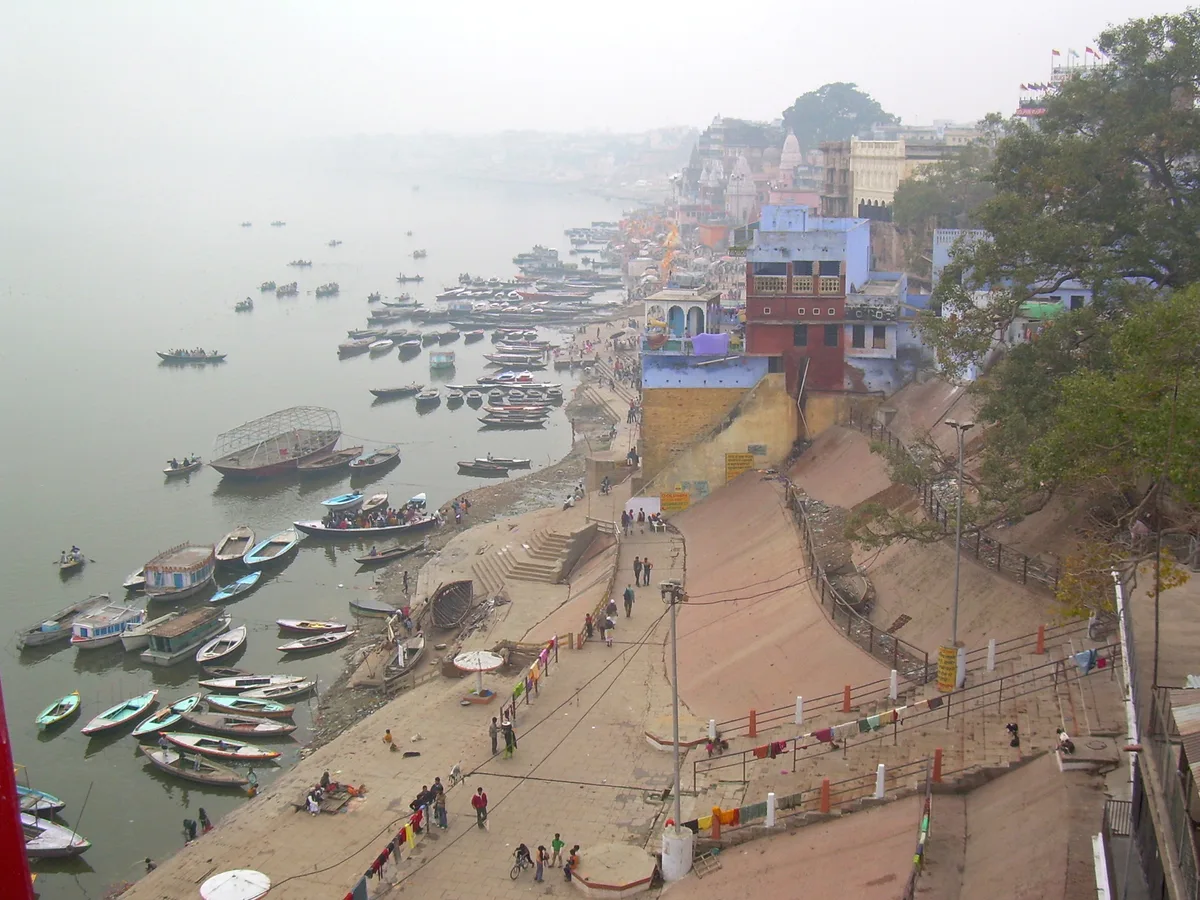
Varanasi Travel Tips: Essential Advice for First-Time Visitors
Know before you go — essential practical advice for navigating Kashi
Varanasi rewards the prepared visitor. The old city is dense and disorienting, the temple rules are strict, the cultural codes differ from other Indian cities, and certain pitfalls catch almost every first-time visitor. This guide gives you the practical knowledge to navigate Varanasi confidently — so your attention can go to the city's extraordinary content rather than avoidable frustrations.
Dress Code and Temple Etiquette
Varanasi is an intensely religious city, and appropriate dress is genuinely important — not as a formality but because improperly dressed visitors are turned away from major temples and cause genuine offence.
For women: Salwar kameez or equivalent modest kurta/trousers for temple visits. Avoid sleeveless tops, short skirts, and tight clothing. A dupatta (scarf) is useful for covering the head when required. Many temples will ask women to cover their heads inside.
For men: Full-length trousers are preferred for temple visits. Shirts should cover the shoulders. Many inner sanctums require shirts to be removed (upper body bare, as a mark of purity). Keep a cloth bag for shoes — you will remove them frequently.
For all visitors at Kashi Vishwanath specifically: No leather items of any kind may enter the temple — no leather shoes (left at the cloak room), no leather belts, no leather bags. Mobile phones are not allowed. Metal detectors are thorough.
At cremation ghats (Manikarnika, Harishchandra): No photography, no pointing, quiet observation only. This is the most important rule in Varanasi.
Money, Tipping, and Avoiding Common Scams
Cash is essential in Varanasi. While major hotels, larger restaurants, and some shops accept cards, the ghats, street food, boat rides, temple offerings, auto-rickshaws, and most small purchases require cash. ATMs are available throughout the city — near Godaulia, Assi Ghat, and the main streets — but they frequently have queues or are temporarily empty during festival periods.
Common scams in Varanasi — the city has a small number of persistent schemes that affect first-time visitors:
The Boat Scam: Agree on a price before boarding any boat. Price should be per boat, not per person. ₹500–1,500 per boat for a 1-2 hour ride is standard. If the boatman attempts to renegotiate mid-river, insist on the agreed price.
The Wood for the Poor scheme at Manikarnika: Individuals will approach you near the cremation ghats claiming to represent a charity providing wood for poor families' cremations, and request donations. This is a scam. Decline firmly and walk past.
The Silk Demonstration scheme: You will be invited into a 'government silk emporium' by someone on the street who insists it is a free tour. It is a high-pressure sales environment. Only enter silk shops when you have actively decided to buy and have chosen the shop yourself.
Sadhus requesting payment for photography: Colourfully dressed sadhus sitting near the ghats may invite you to photograph them and then demand payment. This is a calculated business arrangement. If you photograph, have payment ready; if you do not want to pay, do not photograph.
Transport Inside the Old City
The old city of Varanasi is not accessible by motor vehicle beyond certain junctions. The lanes are between 1 and 3 metres wide — only foot traffic, cycle-rickshaws, and occasionally motorcycles can navigate them. All taxis and auto-rickshaws stop at Godaulia (for the central ghat area) or at Lanka/Assi Crossing (for the southern ghats area).
Once you cross the motor vehicle barrier, navigation is on foot or by cycle-rickshaw through the lanes. The lane layout is non-linear, disorienting, and genuinely difficult for first-time visitors — particularly after dark. A guide for the first day is strongly recommended; after that, you will have developed enough orientation.
For moving along the riverfront between ghats: walking is pleasant in cool weather, but a boat is often faster and more scenic. For moving between distant parts of the city (old city to BHU area, for example), auto-rickshaws are standard.
Photography Rules by Location
Varanasi is extraordinarily photogenic and most of it is freely photographable. However, specific rules apply:
Manikarnika and Harishchandra Ghat: Absolutely no photography. Do not bring out your phone or camera.
Inside temple sanctums: Virtually all major temple inner sanctums prohibit photography and will ask you to leave if you attempt it.
Portrait photography of sadhus: Ask permission first; some expect payment (₹20–100), some are happy to be photographed freely, some decline.
Ghat photography in general: Freely allowed. People bathing from a distance (not intrusive close-up) is generally acceptable in the context of this very public religious space.
Ganga Aarti photography: Allowed; avoid flash.
Frequently Asked Questions
Is Varanasi safe for solo female travellers?▼
Varanasi is generally safe for solo female travellers, particularly in the main ghat and tourist areas where there is constant public activity. The usual precautions apply: avoid isolated lanes at night, be confident and purposeful when navigating, and trust your instincts. The presence of other tourists and constant local activity at the ghats creates a reasonably safe public environment during daylight and early evening hours.
Do I need vaccinations to visit Varanasi?▼
Standard India travel vaccination recommendations apply: Hepatitis A and B, Typhoid (recommended for all visitors), Tetanus, and routine vaccinations up to date. For visitors staying more than 30 days or working with animals, rabies vaccination may be relevant. Consult your doctor or a travel medicine clinic 4–6 weeks before travel for personalised advice.