Mahashivratri in Varanasi: The Greatest Night of Shiva in His Own City
The Great Night of Shiva in the city Shiva himself calls home
Mahashivratri — the Great Night of Shiva — is celebrated across India, but nowhere with the intensity and theological weight that it carries in Varanasi. This is Shiva's own city, his permanent abode, and on the most sacred night of his calendar, Varanasi does not sleep. The Kashi Vishwanath Temple remains open all night, the Shiv Barat procession winds through the old city, and an all-night vigil of prayer and fasting keeps millions of devotees awake.
Mahashivratri: The Night and Its Meaning
Mahashivratri falls on the 14th night of the dark fortnight of the month of Phalgun (typically late February or early March). The name means 'the great night of Shiva' — but the mythology behind it has multiple versions. One tradition holds that on this night Shiva performed the Tandava, his cosmic dance of creation and destruction. Another says this was the night Shiva and Parvati were married. A third identifies it as the night the Shivalinga first appeared as an infinite pillar of light (the Jyotirlinga).
For devotees, Mahashivratri is a night of intense austerity and devotion: fasting through the day, staying awake all night in prayer, repeated bathing in the Ganga, and offering bel patra, milk, water, and dhatura flowers to Shiva. The belief is that Shiva is particularly accessible on this night and that sincere prayer offered during Mahashivratri carries exceptional power.
The Shiv Barat Procession
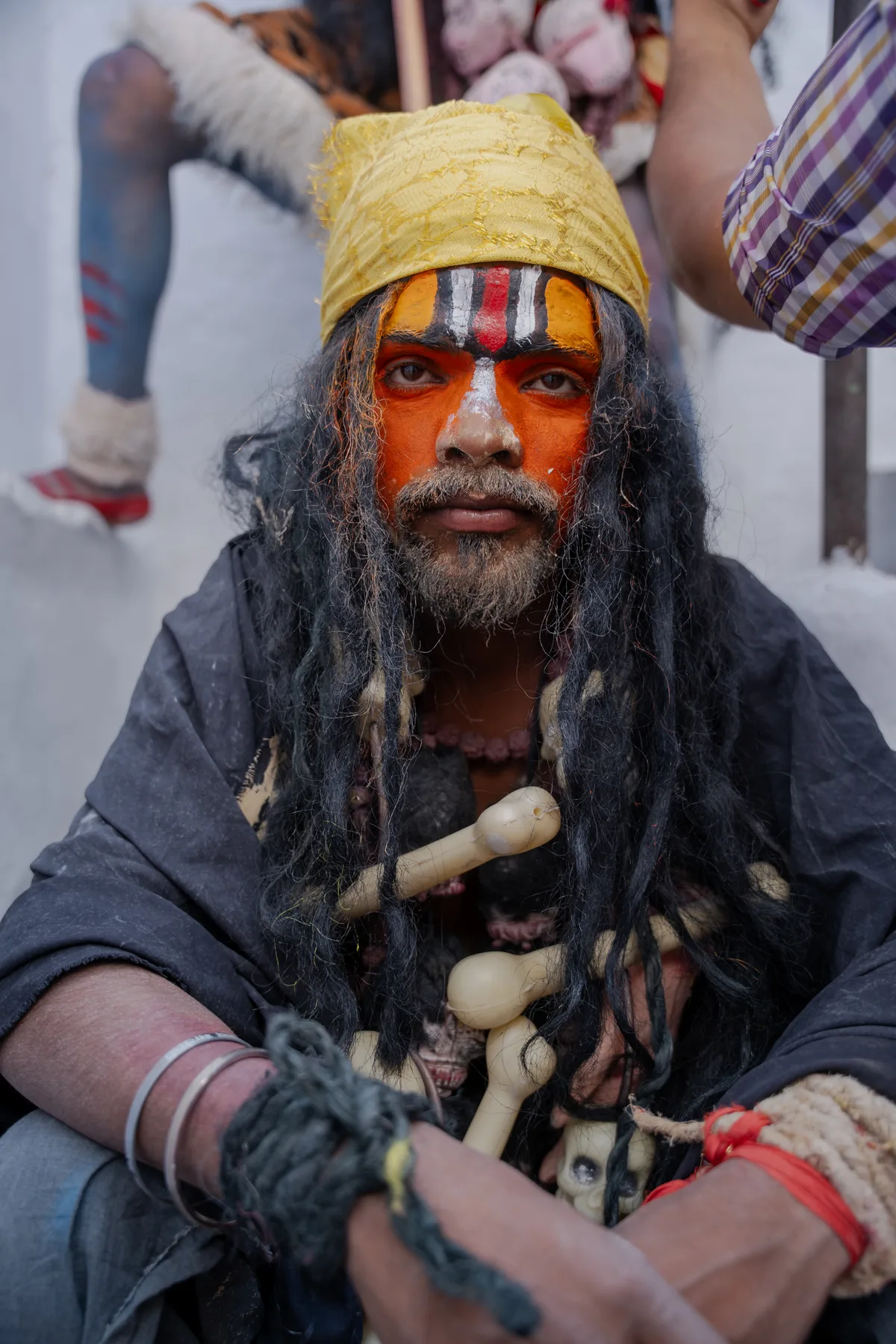
The Shiv Barat — 'Shiva's wedding procession' — is one of Varanasi's most spectacular and unusual traditions. A procession representing Shiva's legendary wedding party makes its way through the old city, typically starting after sunset and continuing for several hours.
The procession includes elaborately decorated floats with scenes from Shiva's mythology; a group of devotees dressed as ghosts, ghouls, and supernatural beings (representing Shiva's retinue of ganas); musicians; fire performers; and an enormous crowd of devotees. The procession is loud, visually extraordinary, and deeply symbolic — the grotesque figures representing Shiva's compassion for all beings, including those beyond conventional society.
Watching the Shiv Barat in the narrow lanes of old Varanasi — where the floats barely fit, the noise reverberates from the ancient buildings, and the crowd presses close — is one of the most viscerally unforgettable experiences the city offers.
Temple Access and Practical Planning
Kashi Vishwanath Temple on Mahashivratri: The temple is open from 3:00 AM through the full night, with a special Mahashivratri schedule. The queue for regular darshan extends for hours — waiting times of 4–8 hours are reported in recent years. For devotees, the wait is part of the experience. For those who simply wish to experience the atmosphere, the Corridor itself and the surrounding lanes offer the festival atmosphere without the queuing commitment.
Accommodation: Varanasi is very heavily booked for Mahashivratri. Book 2–3 months in advance. Prices during this period are elevated.
The overall scale of Mahashivratri in Varanasi — the numbers of pilgrims, the all-night activity, the multiple ceremonies happening simultaneously — makes it a genuinely overwhelming experience in both senses of the word.
Frequently Asked Questions
Is Mahashivratri the best time to visit Varanasi?▼
It is the most intense and spiritually significant time to be in Varanasi, but also the most crowded, the most expensive for accommodation, and the most physically demanding. If you want the full force of Varanasi's religious life at its peak, yes. If you prefer a calmer, more contemplative experience, October–November or early January is better.