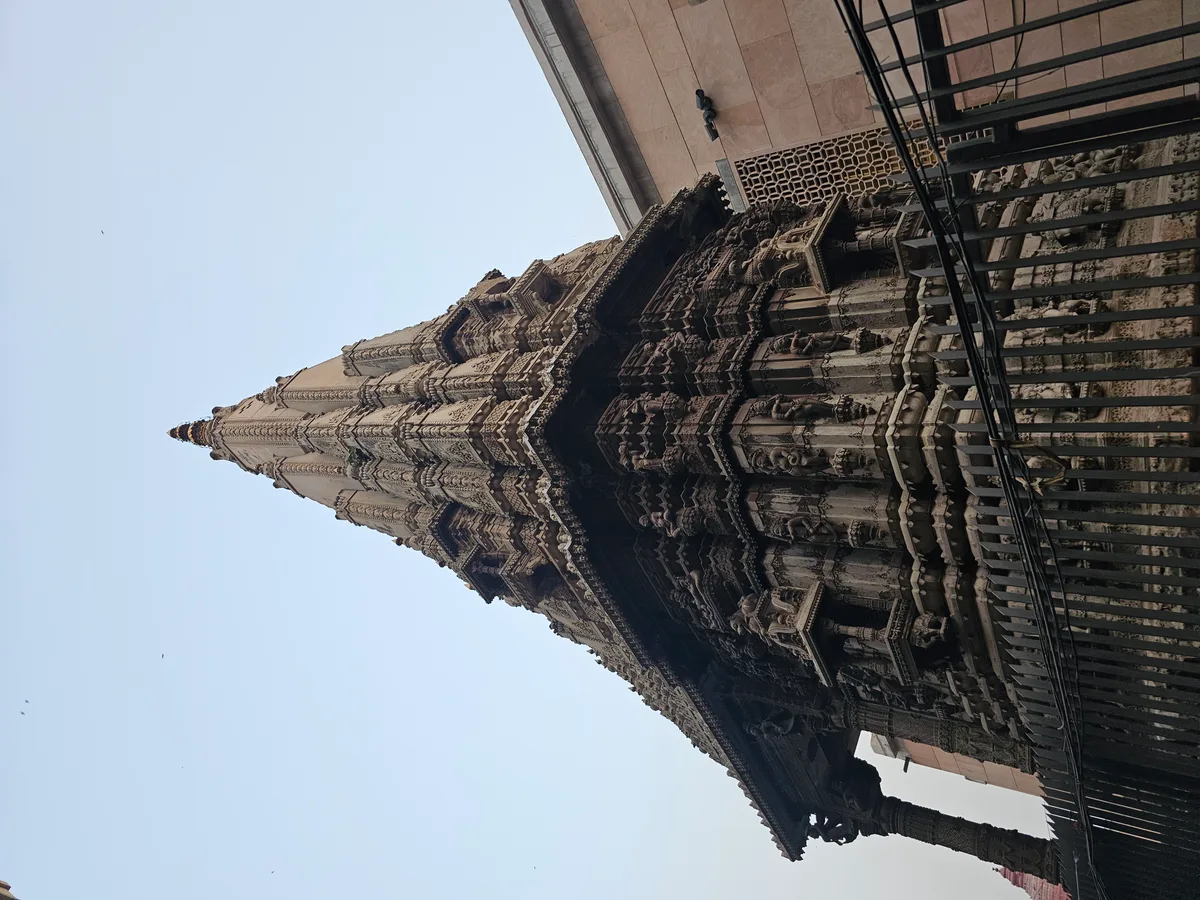
Kashi Vishwanath Darshan: The Complete Practical Guide
Timings, queues, puja, and the after-darshan circuit — everything you need to plan the most important darshan in Kashi
Kashi Vishwanath darshan is one of the most profound religious experiences in Hinduism — a direct encounter with the Jyotirlinga at the sacred centre of Kashi. But planning the darshan well matters: the temple draws hundreds of thousands of pilgrims, the queue can stretch for hours on peak days, and the entry procedures require specific preparation. This guide covers the daily darshan schedule, queue management, puja options, what to wear and carry, security checks, corridor navigation, and the after-darshan temple circuit that completes the full Kashi Vishwanath experience.
Daily Darshan Schedule and Best Times
Kashi Vishwanath Temple has a structured daily programme of rituals and darshan periods:
Mangala Aarti (3:00–4:00 AM): The first ritual of the day — an intensely devotional lamp offering to the waking Jyotirlinga. Attended by a small, deeply devout crowd. The atmosphere at 3 AM has a quality that the peak-hour crowd cannot replicate. For those who can manage the early hour, this is the most spiritually charged time to visit.
General darshan opens (~5:00 AM): After the Mangala Aarti, the temple opens for general darshan. The early morning hours — 5 to 7 AM on weekdays — are consistently the quietest period for the general queue.
Bhog Aarti (11:15 AM): Food offering to the deity. Darshan continues during this ritual.
Sapt Rishi Aarti (7:00 PM): Evening lamp offering by seven priests simultaneously — a visually striking ritual that draws a peak-time crowd.
Shringar Aarti (9:00 PM) and Shayan Aarti (~10:30 PM): The night rituals, ending with the deity being put to rest.
For visiting pilgrims, the best times for darshan with the shortest queues: 5:00–7:30 AM on a weekday (fewest crowds, most devotional atmosphere). Second best: 8:00–9:00 AM. Avoid: Saturday and Sunday mornings, festival days, and the late afternoon period (3–7 PM) when crowd density peaks.
Queue Management and Entry
The queue at Kashi Vishwanath is managed by the Shri Kashi Vishwanath Temple Trust. Entry is through the Kashi Vishwanath Corridor — the marble-paved walkway connecting the Ganga riverfront to the temple, completed in 2022.
Wait times: On a typical weekday morning, the general darshan queue takes 30–60 minutes from entry to Jyotirlinga darshan. On weekends and peak days, queues extend to 2–4 hours. During Mahashivratri, Shravan Mondays, and major festival dates, queues can be 5–8 hours.
Shravan Mondays: The month of Shravan (July–August) is the most sacred month for Shiva worship. Every Monday during Shravan sees exceptionally large crowds — plan for significantly extended queue times.
There is currently no online advance-booking system for standard general darshan — the queue is physical and managed in real time by temple security. The temple trust website periodically updates information on special darshan arrangements.
Security Procedures and What to Bring
The security check at Kashi Vishwanath is thorough, with separate queues for men and women.
Prohibited items (will not be allowed through security): — Leather items of any kind — belts, leather shoes, leather bags, leather wallets. Remove all leather before joining the queue; leave items at your hotel or the cloak room. — Mobile phones and cameras — prohibited inside the main temple premises. — Large bags.
Bring: — Flowers (available from vendors just outside the Corridor gates) — Bel leaves (bilwa patra) — considered especially sacred to Shiva; available from vendors outside — A small cloth bag for offerings and personal items — Government-issued ID if available (occasionally requested)
Cloak room: Cloak room facilities are available at the Corridor entry points for phones, leather items, and bags. Collect a token when depositing items.
Dress: Clean, modest clothing covering shoulders and knees. Traditional Indian attire is appropriate but not required.
Inside the Temple: Darshan and the Corridor
The inner sanctum contains the Shivalinga — the Kashi Vishwanath Jyotirlinga — set within silver-panelled walls. Darshan involves filing past the Jyotirlinga in a continuous queue, with a brief moment of direct encounter.
The Kashi Vishwanath Corridor: The marble-paved walkway connecting the Ganga to the temple passes by or near 27 other shrines and temples. Walking the corridor from the ghat end through to the main temple and back is part of the complete experience. Allow 2–3 hours for the full corridor walk plus darshan.
After main darshan — nearby shrines worth visiting: — Annapurna Devi Temple (2 minutes from Kashi Vishwanath): The goddess of food and nourishment — in Kashi theology, inseparable from Vishwanath worship. — Vishalakshi Temple: The Shakti Peetha associated with Kashi, a short distance from the main complex.
For the Mangala Aarti + morning darshan combination, arrive by 2:45–3:00 AM and allow 3–4 hours total.
Puja Options
Rudrabhishek: A dedicated Shiva puja in which the Jyotirlinga is bathed with water, milk, honey, and other ritual substances while Vedic mantras are chanted by temple priests. Requires advance arrangement through the official temple puja booking system. For Shaivite pilgrims who have come specifically for the most complete form of worship, this is the fullest expression of Kashi Vishwanath devotion available to visiting pilgrims.
Laghu Abhishek: A shorter form of the abhishek puja — individual or small group participation with temple priests.
General puja booking: Arrangements can be made through the official temple trust booking system (check the current Kashi Vishwanath Temple website), through a Spirit of Kashi guide, or at the Corridor entry. Fees vary by puja type.
Note: Avoid freelance pujaris who approach you outside the Corridor — they operate on a commission basis and are not part of the official temple ritual system.
The After-Darshan Temple Circuit
Kashi Vishwanath darshan is the centrepiece of a broader circuit that completes the full Kashi pilgrimage experience:
Annapurna Devi Temple (2 minutes): The goddess of food and nourishment. Visiting Annapurna after Vishwanath is a near-universal practice in the Kashi tradition — the two deities are considered inseparable in the theology of this sacred city.
Kal Bhairav Temple (15–20 minutes' walk): The guardian of Kashi. Kal Bhairav is the kotwal — the divine police chief — of the city. The most intensely devotional temple in Varanasi for local worshippers. The prasad here is madira (liquor), offered to the deity and distributed to devotees — participation is entirely optional for visitors.
Manikarnika Ghat (10 minutes): The principal cremation ghat, where the cycle of life, death, and liberation that defines Kashi's sacred identity is most directly visible. Respectful observation is appropriate; photography is not.
Frequently Asked Questions
Can non-Hindus enter Kashi Vishwanath Temple?▼
Entry to the main Kashi Vishwanath Temple complex is currently restricted to Hindu visitors. Non-Hindu travellers are welcome to walk the Kashi Vishwanath Corridor (the public walkway connecting the temple to the Ganga), view the temple from outside, and experience the atmosphere of the area. The Ganga Aarti at Dashashwamedh Ghat — a related but separate ceremony — is open to all.
What is the best day of the week to visit for shorter queues?▼
Tuesday, Wednesday, or Thursday mornings between 5 and 7 AM are consistently the shortest queue periods. Mondays attract larger Shiva-devotee crowds across India, so even at 5 AM a Monday queue is longer than a mid-week equivalent. Saturdays and Sundays are the highest-crowd days; avoid these for queue efficiency.
How do I arrange Rudrabhishek puja at Kashi Vishwanath?▼
Rudrabhishek is arranged through the Shri Kashi Vishwanath Temple Trust's official booking system. Spirit of Kashi guides can assist with the arrangement as part of a guided Varanasi visit — contact us on WhatsApp before your trip to discuss the logistics.