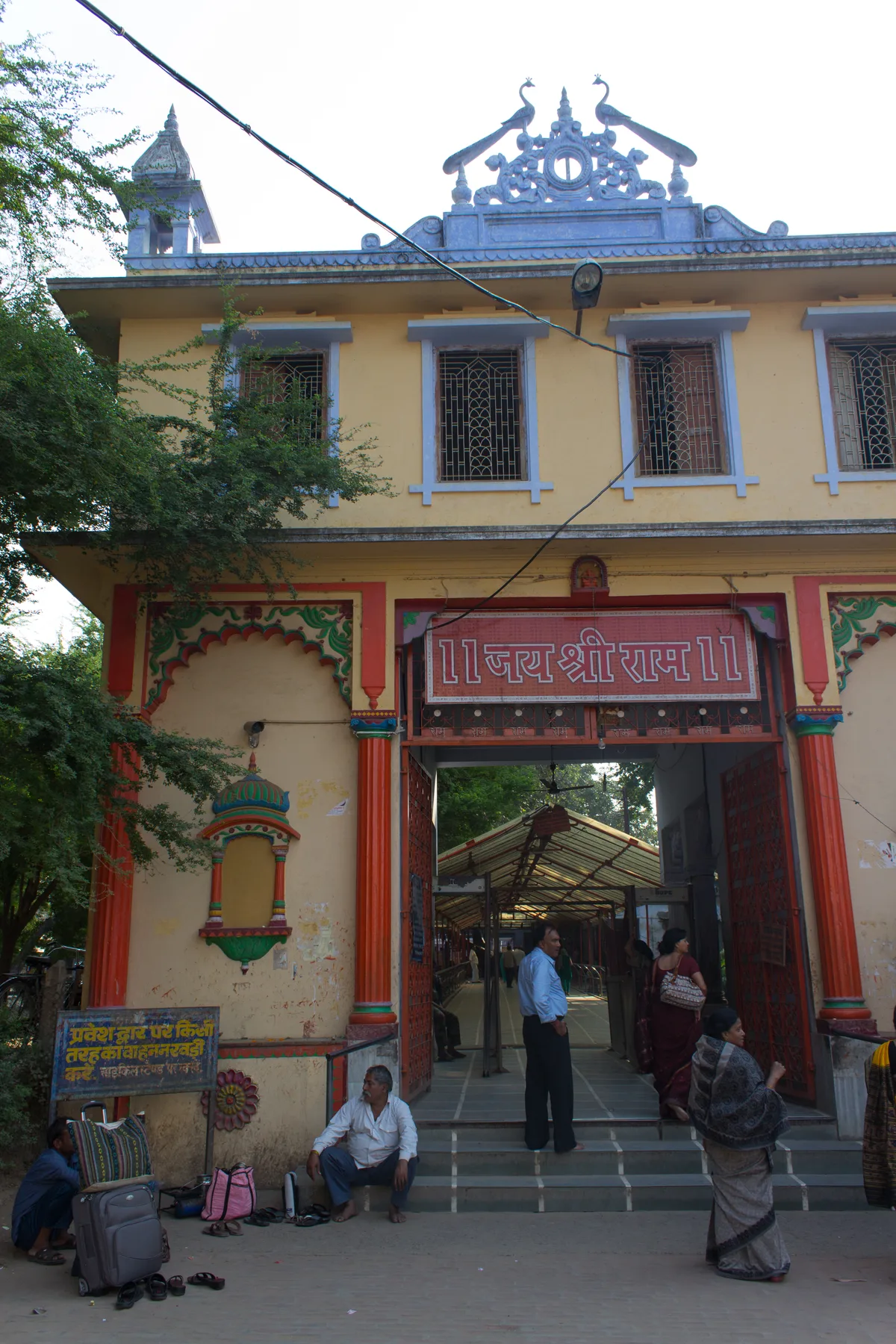
Sankat Mochan Temple Varanasi: Tulsidas's Hanuman Shrine
Founded by Tulsidas — the remover of troubles, home of India's greatest classical music festival
Sankat Mochan Hanuman Temple is one of Varanasi's most beloved and visited temples — not for its architectural grandeur (it is modest in scale) but for the depth of its devotional atmosphere and the remarkable classical music festival it hosts annually. Founded in the 16th century by the poet-saint Tulsidas, who is said to have had a vision of Hanuman here, the temple is dedicated to Hanuman in his role as 'Sankat Mochan' — the remover of troubles and obstacles.
Tulsidas and the Temple's Founding
Goswami Tulsidas (1532–1623), the author of the Ramcharitmanas and the Hanuman Chalisa, founded this temple at a spot where he is said to have had a direct vision (darshan) of Hanuman. The story goes that Tulsidas was sitting in meditation when Hanuman appeared before him in his form as an old man, confirming and blessing his devotional work.
Tulsidas chose this site — then outside the main city, near the forest — as the location for a Hanuman temple. The temple grew in importance over the centuries as Tulsidas's writings spread across northern India and the devotion to Hanuman became central to Varanasi's religious identity. Today, devotees come specifically because Tulsidas's vision of Hanuman occurred here — making this, for them, a location of living divine presence.
The Temple's Character: Monkeys and Devotion
Sankat Mochan temple is famous for its monkeys. Large langur monkeys — considered sacred in the Vaishnava tradition as descendants of Hanuman's army — roam freely through the temple complex and surrounding area. They are fed regularly by devotees and are entirely comfortable around people, though visitors should keep a secure grip on bags, glasses, and food.
The temple's atmosphere is one of continuous, unselfconscious devotion. Devotees sing bhajans (devotional songs) in the courtyard. The smell of flowers and incense is strong. The main sanctum houses a striking dark stone image of Hanuman in his characteristic form — muscular, red-faced, with a mace. A smaller shrine to Ram-Sita-Lakshman-Hanuman is also inside the complex.
The temple is located in the Assi neighbourhood near Banaras Hindu University and is a short walk from Assi Ghat.
The Sankat Mochan Sangeet Samaroh: India's Greatest Classical Music Festival
Every year, Sankat Mochan temple hosts the Sankat Mochan Sangeet Samaroh — a five-day classical music and dance festival held in Chaitra (March–April), timed around Hanuman Jayanti. Since its establishment in 1923, it has grown into one of India's most prestigious classical music events.
Every major name in Hindustani and Carnatic classical music has performed at this festival — Pandit Ravi Shankar, Ustad Bismillah Khan, Pandit Bhimsen Joshi, M.S. Subbulakshmi, and generations of their successors. The festival takes place in the open-air temple courtyard across five consecutive nights. Entry is free of charge — one of the only truly free major classical music events in India.
For visitors to Varanasi in the spring season, attending even one night of the Sangeet Samaroh is a profound experience.
Frequently Asked Questions
Is the Sankat Mochan music festival open to everyone?▼
Yes — the Sankat Mochan Sangeet Samaroh is free and open to all. It takes place in the open-air courtyard of the temple across five nights. Arrive early for the best seating on the ground. Foreign visitors are welcome and often attend. The performances run from approximately 9 PM to 3 AM each night.
Are the monkeys at Sankat Mochan dangerous?▼
The langur monkeys at Sankat Mochan are accustomed to humans and generally calm. However, they will opportunistically grab food, bags, or shiny objects. Do not carry open food near them. Keep bag zippers closed. Do not make sudden movements toward them. They are not aggressive without provocation but should not be treated as pets.