Mumbai to Varanasi: Flights, Trains & Journey Planning Guide
India's financial capital to its spiritual capital — 1,500 kilometres of pilgrimage tradition
Mumbai to Varanasi is a long-distance journey — approximately 1,500 kilometres — and the journey planning deserves proper attention. The flight is the fastest option at just over 2 hours, but it requires two airport transfers. The train takes 22–24 hours but delivers you directly to Varanasi city centre, and the journey itself — crossing the Deccan plateau and the Indo-Gangetic plain — has a character that many long-distance rail travellers in India find deeply satisfying. This guide covers both options, the specific stations to use from Mumbai, and how to plan the Varanasi end of your journey.
By Flight: Mumbai to Varanasi (Just Over 2 Hours)
Chhatrapati Shivaji Maharaj International Airport (IATA: BOM) in Mumbai has direct flights to Varanasi's Lal Bahadur Shastri Airport (VNS). Flight time is approximately 2 hours and 10 minutes. IndiGo, Air India, and other carriers operate on this route. Frequency varies — some days have multiple direct options, others may have fewer. Check current schedules on the airline websites or booking platforms.
Flights are the right choice for travellers with limited time. The key calculation: total travel time by air (including getting to BOM, check-in, flight, baggage, and the 45–90 minute airport-to-ghat transfer in Varanasi) is typically 5–6 hours gate-to-ghat. Compare that to the train.
For October–March travel, book 4–6 weeks ahead to secure reasonable economy fares. The Varanasi route from Mumbai sees price spikes around major festivals.
By Train: Mumbai to Varanasi
Several trains connect Mumbai with Varanasi, departing from different Mumbai stations.
Lokmanya Tilak Terminus (LTT), in central-eastern Mumbai, is the most relevant station for Varanasi-bound trains. The Mahanagari Express and the Kamayani Express are among the trains on this route, taking approximately 24 hours. LTT is accessible by Harbour Line local trains.
Mumbai CST (Chhatrapati Shivaji Maharaj Terminus) also has services eastward, though fewer direct Varanasi trains depart from CST compared to LTT.
Berth class for a 24-hour journey: AC Third Tier (3A) is the recommended option — clean, reserved, comfortable, and the standard choice for overnight-plus journeys by Indian travellers. AC Second Tier (2A) is more spacious and quiet. Sleeper class is the budget option — fine for experienced India rail travellers, less comfortable for those unused to Indian train travel.
Verify your train's terminus: some services to the Varanasi–Patna corridor terminate at Pt. Deen Dayal Upadhyaya Junction (DDU, ~18 km from Varanasi city) rather than Varanasi Junction (BSB). If the train terminates at DDU, an auto-rickshaw to the city centre is required.
Book through IRCTC (irctc.co.in). For October–March travel, book 6–8 weeks ahead as AC classes sell out quickly.
Route and Journey Character
The Mumbai–Varanasi train journey crosses some of the most varied landscape in India: the Western Ghats on the climb out of Mumbai, the Deccan plateau, the edge of central India, and then the broad, flat, intensely agricultural Indo-Gangetic plain as the train descends toward Varanasi. If you have a window seat for the Western Ghats section (typically early morning or evening, depending on departure time), the green hills and valleys are striking.
The journey can be broken at Nagpur, Bhopal, or Allahabad (Prayagraj) if you want to extend the trip into a multi-city journey. Prayagraj to Varanasi is just 120 km — adding a Triveni Sangam stop is practical if the timing works.
Arrival and Getting Around Varanasi
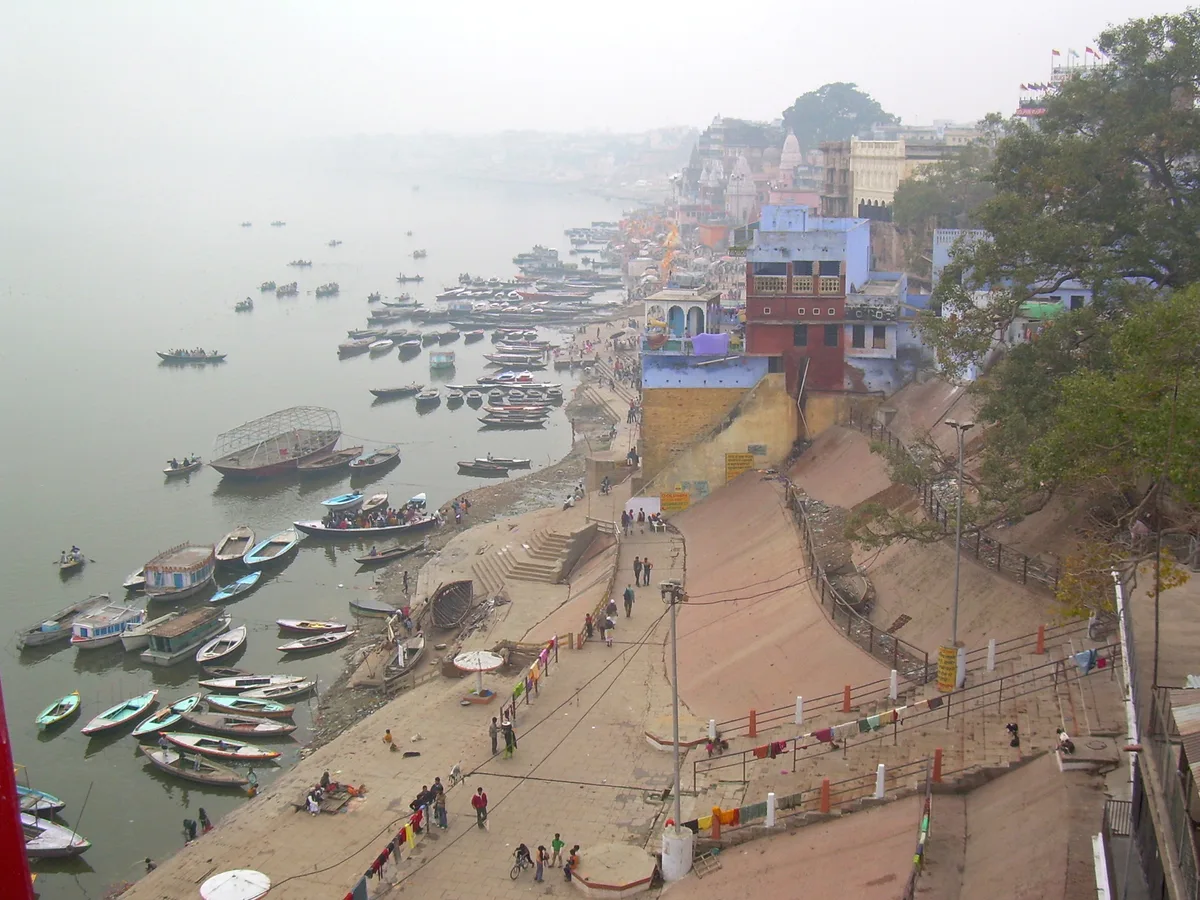
Whether arriving at Varanasi Junction (BSB) or Pt. DDU, auto-rickshaws and e-rickshaws serve the station. The old city and the ghats are not reachable by motor vehicle — all traffic stops at Godaulia or Assi Crossing. Your driver will know these landmarks; tell them which ghat area you are staying near.
If arriving by air, the airport is 26 km from the city centre and the transfer takes 45–90 minutes depending on traffic. Pre-paid taxis are available in the arrivals hall.
Frequently Asked Questions
Is the train journey from Mumbai to Varanasi comfortable?▼
In AC 2-Tier or AC 3-Tier class, yes — the berths are comfortable for sleeping, meals and snacks are available on board, and the journey character (crossing varied Indian landscape over 24 hours) is one of the classic long-distance rail experiences in the country. Sleeper class is manageable for experienced rail travellers but is not air-conditioned and is more crowded. The key is to book in advance — the better the class, the more comfortable the journey.
Which Mumbai station has the most trains to Varanasi?▼
Lokmanya Tilak Terminus (LTT) has the highest concentration of trains to the Varanasi–Patna–Kolkata corridor. Mumbai CST also has some services. Check IRCTC for current train schedules, as the frequency and specific trains change seasonally.